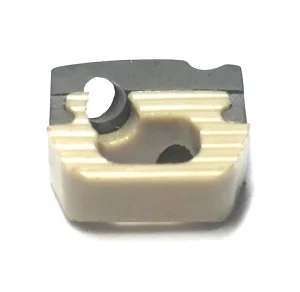
Advanced Grade 5 Titanium Alloy and Bio-Compatible Implants for Clinical Traumatology
Addressing structural load distribution, implant stability, and multi-axial alignment in complex bone trauma surgery
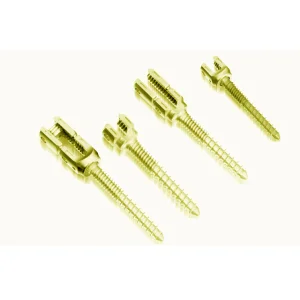
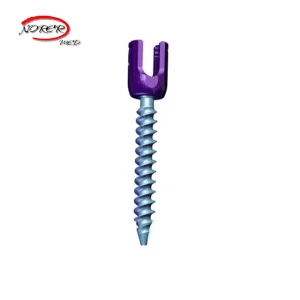
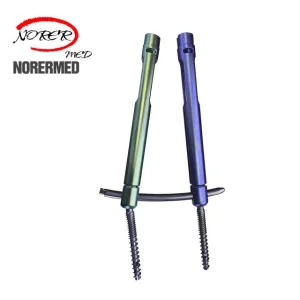
Traditional traction systems rely heavily on external mechanical forces to preserve anatomical spacing during post-fracture stabilization or pre-operative alignments. Modern surgery, however, integrates internal stabilization devices, such as spinal crosslink rods, monoaxial/polyaxial pedicle screws, and cranial skull locks. These act as direct, load-bearing extensions of internal bone structures. These components are designed to withstand significant shear forces, torque stress, and compressive load profiles, ensuring minimal mechanical displacement while facilitating rapid bone remodeling.
To prevent immune responses and maximize implant life cycles, DEON Medical relies on premium biocompatible alloys, such as medical-grade titanium (Gr5 ELI / Ti-6Al-4V) and high-density PEEK (Polyetheretherketone). Grade 5 titanium offers an exceptional strength-to-weight ratio and fatigue resistance, while PEEK mimics the elastic modulus of human bone. This reduces the risk of stress shielding—a common issue where the metal implant absorbs too much load, causing adjacent natural bone structures to degrade over time.
SEO Director's Insight (E-E-A-T Paradigm): True patient-centered mechanical design demands high fatigue resistance. DEON Medical's spinal components undergo tens of millions of stress cycles in simulated body fluids. This ensures their reliability in high-motion anatomical segments, offering peace of mind to orthopedic surgeons worldwide.
Evaluating the integrated supply chain, material traceability, and state-of-the-art manufacturing infrastructure
Changzhou, situated in China’s Jiangsu Province, represents the country's most advanced medical manufacturing cluster. Raw material suppliers, hot-forge processing centers, heat-treatment facilities, and surface anodization plants operate within a tight geographical hub. This allows DEON Medical to streamline standard lead times and maintain consistent quality across large manufacturing runs.
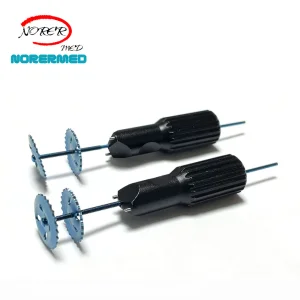
Machining complex geometries—such as multiaxial pedicle screws or interlocking nails—requires specialized equipment. DEON Medical utilizes high-precision Swiss-type CNC lathes and 5-axis machining systems. This equipment allows us to achieve dimensional tolerances as fine as ±0.01mm. This tight precision is essential to ensure that surgical screwdrivers, drill guides, and implant locks thread together smoothly during surgical procedures.
Each batch of titanium or PEEK received by our facility is accompanied by complete mill test reports and chemical analysis certifications. This level of traceability is key to meeting the strict documentation requirements of global regulatory bodies. Our production processes conform to ISO 13485:2016 quality management standards, laying a solid foundation for CE, FDA, and domestic registration processes.
Bridging the gap between human orthopedic advancements and high-growth veterinary surgical sectors
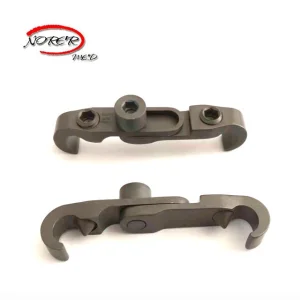
In human spinal fixation, uniplanar and polyaxial pedicle screws must match the patient's individual anatomy to prevent screw loosening or neurological complications. Precision-engineered locking systems, like our Titanium Cranial Skull Lock, provide secure mechanical fixation during craniotomy closure. This approach minimizes implant profiles, reducing the risk of tissue irritation while encouraging natural osteointegration.
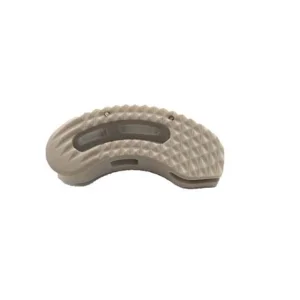
The global veterinary orthopedic market is expanding rapidly, driven by advanced procedures like TPLO (Tibial Plateau Leveling Osteotomy) and complex fracture repairs in companion animals. Because animals subject implants to sudden, unpredictable mechanical loads, veterinary implants must possess exceptional shear strength and durability. DEON Medical offers customized pedicle screws, locking plates, and PEEK lumbar cages designed to support the distinct weight profiles and biomechanics of diverse animal species.
Optimized load-bearing structures for spinal arthrodesis and extremity trauma management
A breakdown of localization processes, certification frameworks, and product design adjustments for global markets
Compliance under the EU Medical Device Regulation (MDR 2017/745) requires comprehensive clinical evaluations and class III implant controls. DEON Medical helps distributors streamline this process by providing structured technical files, material safety data sheets (MSDS), and biological evaluation reports. This detailed documentation simplifies submission and review processes with EU Notified Bodies.
For orthopedic implants entering the North and South American markets, proving substantial equivalence to existing predicate devices is vital. Our design and testing data conform to ASTM F136 standards for raw titanium alloys and ASTM F2026 standards for PEEK polymers. These testing parameters are aligned with the key guidelines required for FDA 510(k) clearance processes.
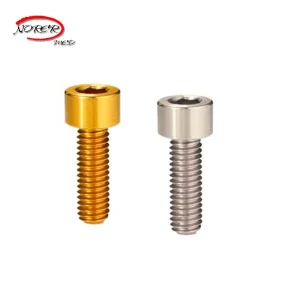
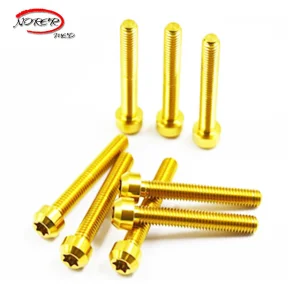
Different surgical markets often require customized thread profiles, self-tapping screw tips, or specific color-coded anodization schemes. DEON Medical offers dedicated OEM and ODM services. We translate custom technical drawings and design specifications into production-ready CAD files. These designs are then validated using finite element analysis (FEA) to confirm performance before manufacturing begins.
Looking ahead at upcoming innovations in surgical implants and fixation technology
The integration of 3D printing (additive manufacturing) using titanium powder allows for the creation of implants with complex porous structures. These porous surfaces mimic trabecular bone, encouraging natural bone tissue growth directly into the implant. This type of integration is particularly beneficial for spinal fusion cages and joint reconstruction components, leading to improved long-term mechanical stability.
Preventing implant-associated infections is a critical challenge in orthopedic surgery. Current research and development focus on active surface modifications, such as silver-ion implantation, copper coatings, or polymer carriers that release antibiotics locally. These technologies help reduce bacterial adhesion without compromising the biocompatibility or mechanical strength of the underlying titanium alloy.
Expert answers addressing the technical details of purchasing and importing medical-grade implants from China
A verified Chinese OEM manufacturer specializing in high-grade orthopedic trauma plates, screws, and spinal implants
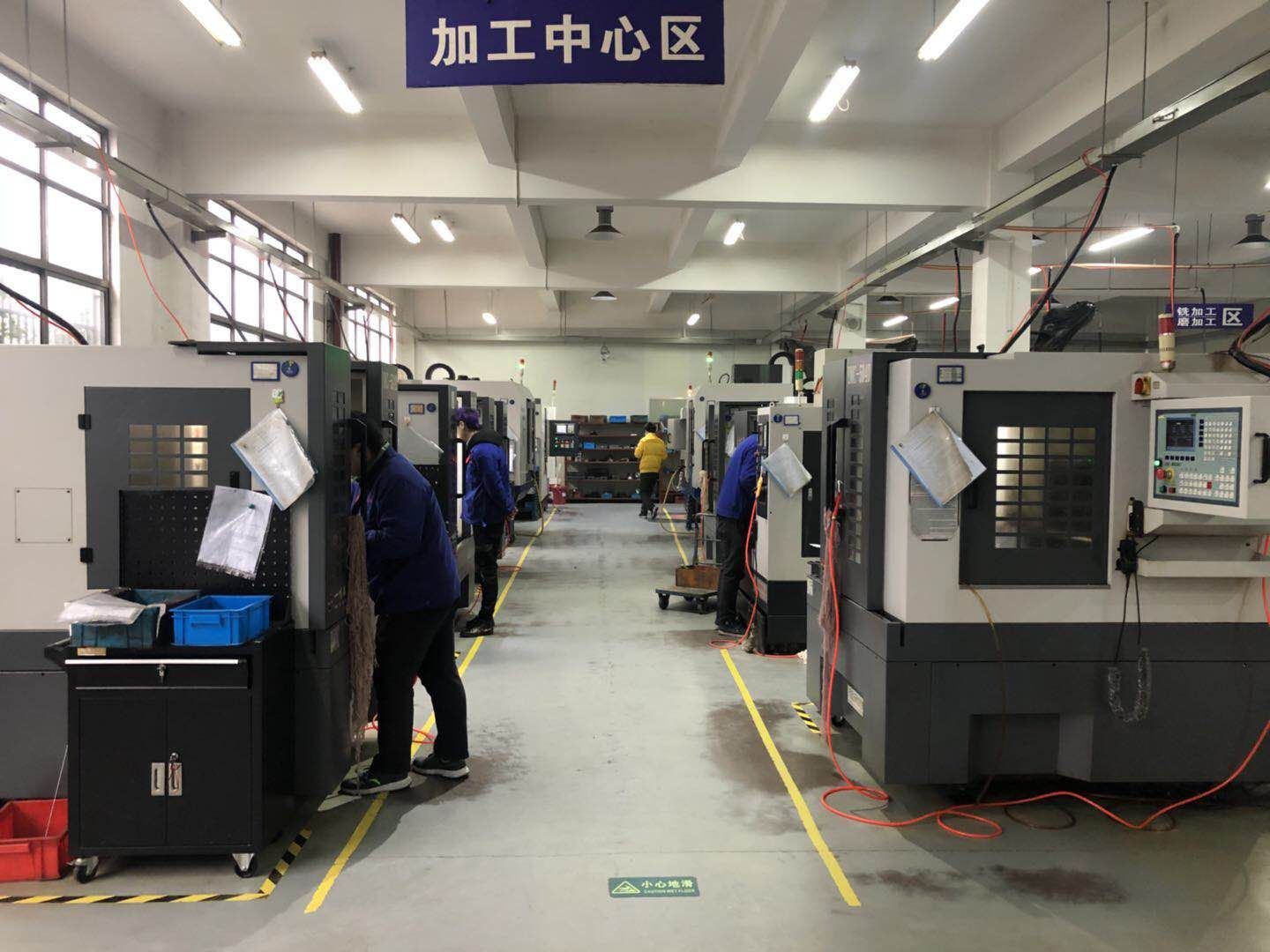
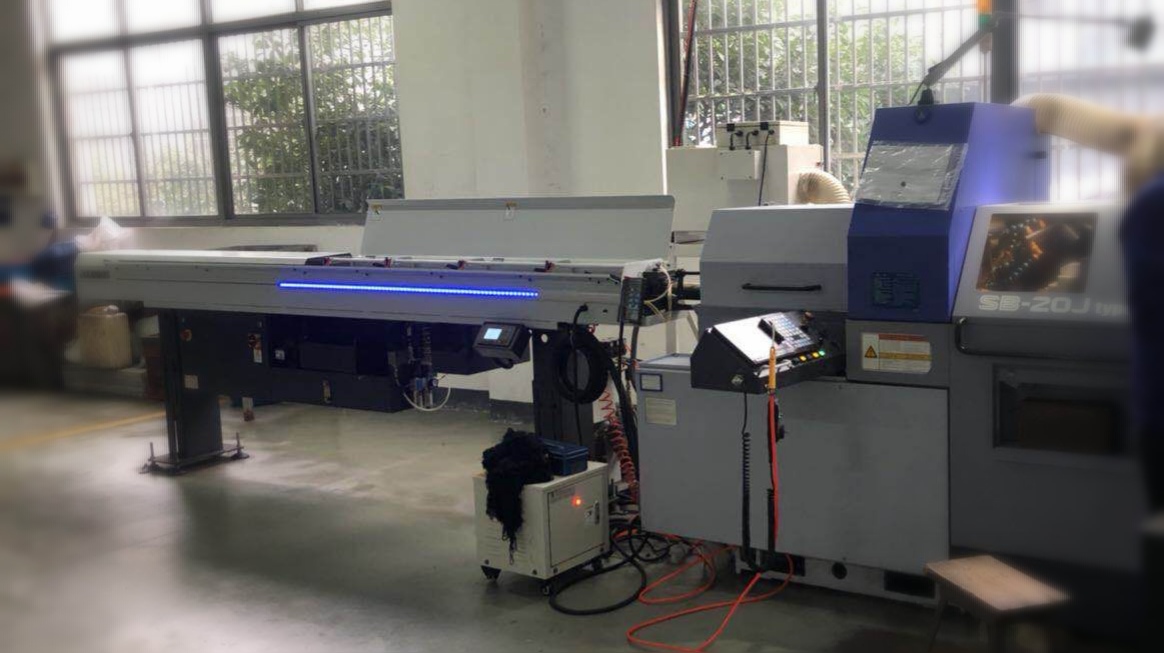
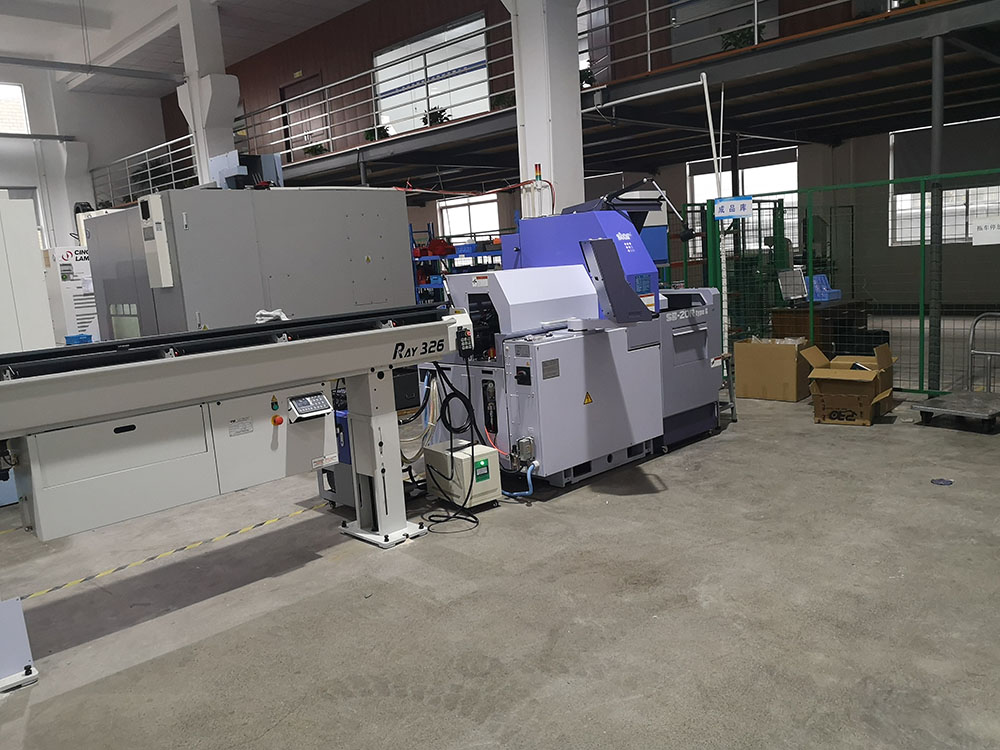
Factory Mission: We strive to deliver reliable orthopedic internal fixation products to global surgeons and distributors. Our goal is to make precision-engineered spinal and trauma hardware accessible, supporting patient care across both human and veterinary medicine.
 Deon Medical