Explore our high-precision implant portfolios accompanied by engineered surgical guides designed to minimize operational misalignment and maximize patient safety.
In the rapidly advancing arena of orthopedic and spinal reconstruction, the margin for error is non-existent. Modern clinical practices have steadily transitioned from conventional "freehand" implant placement to instrumented guidance systems. As a leading hub of medical engineering, China has established itself as the global epicentre for the design, development, and manufacturing of high-precision orthopedic surgical guides and targeting systems.
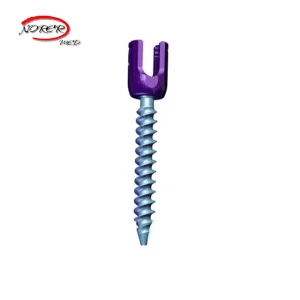
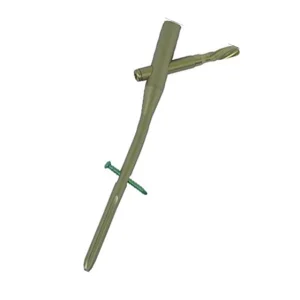
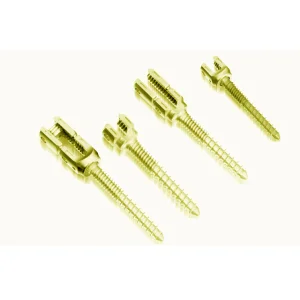
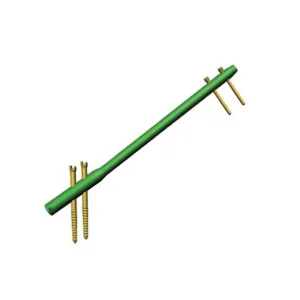
Surgical guides represent the indispensable physical interface between virtual pre-operative planning and the mechanical execution within the operating theater. Whether dealing with complex human pedicle screw insertions or delicate veterinary spinal reconstructions, matching the exact anatomical trajectory dictates patient outcomes. Implants like the Titanium Spine Uniplanar Pedicle Poly Screw and the Tibial Interlocking Nail System depend fundamentally on the dimensional accuracy of their companion guides to achieve stable osteosynthesis.
Sourcing orthopedic instruments on a global scale requires strict adherence to technical and regulatory benchmarks. B2B procurement managers, hospital networks, and medical device distributors must navigate multifaceted criteria when auditing suppliers:
Surgical guides must withstand demanding sterilization processes (e.g., autoclaving at 134°C, Ethylene Oxide, or Gamma Radiation). Leading manufacturers utilize medical-grade materials such as Ti-6Al-4V ELI (Grade 23 Titanium), PEEK-OPTIMA, and surgical stainless steel (Grade 1.4112 / 440B) to guarantee chemical stability and fatigue limit thresholds.
For interlocking systems like PFNA Nails and Tibial Nails, the guiding jigs must align precisely with the distal locking holes. Standard tolerances are kept below 10 micrometers. A deviation as small as 0.05mm can prevent screw engagement, leading to prolonged surgical times and mechanical failure.
Procurement executives favor manufacturers capable of delivering vertical solutions—where the implant (e.g., spinal locking plates, crosslink rods) and the target guide are designed and calibrated under one roof, eliminating cross-brand compatibility failures.
Modern surgical setups require flexible systems suitable for both human healthcare structures and high-end veterinary trauma clinics. The dynamic shift toward minimally invasive surgeries (MIS) demands compact guide designs that reduce incision sizes while preserving anatomical structures.
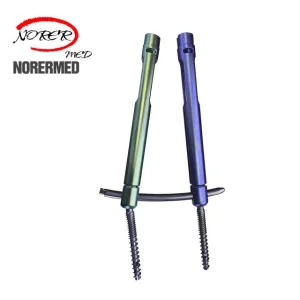
In spine surgeries, our systems pair the Veterinary Orthopedic Minimally Invasive Spinal Titanium Pedicle Screw with custom carbon-fiber and titanium guide tubes. These guides allow surgeons to tap, drill, and insert the screws percutaneously. By avoiding extensive muscle retraction, patient recovery time is reduced by up to 40%, and infection rates drop considerably.
Long bone fractures (femur and tibia) require interlocking nails for stabilization. Achieving distal locking without fluoroscopy is a historic surgical bottleneck. Our high-stiffness carbon fiber targeting guides attach to the proximal end of the nail, providing rigid alignment paths for drilling guides. This reduces X-ray radiation exposure for surgical teams by up to 70%.
The future of surgical guidance is moving from static physical templates to interactive, data-driven systems. As we look toward the next decade, the roadmap for orthopedic manufacturing centers around three core pillars:
Utilizing high-resolution CT DICOM data, patient-specific surgical guides are custom-designed and 3D printed using medical-grade PEEK or biocompatible resins. These guides conform exactly to the patient's unique bone morphology, ensuring perfect drill trajectory and depth control.
Integration of optical and electromagnetic sensor nodes onto physical guide frames. This bridges the physical targeting jig with real-time digital navigation monitors, providing dynamic feedback on axial deviation and tool depth during surgery.
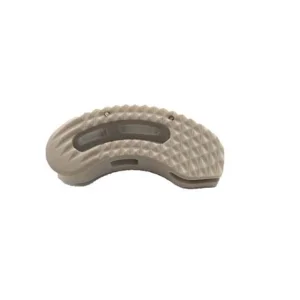
Combining the radiolucency of PEEK-OPTIMA cages with the structural stiffness of titanium inserts. This ensures clear postoperative visualization under X-ray while maintaining robust mechanical performance under load.
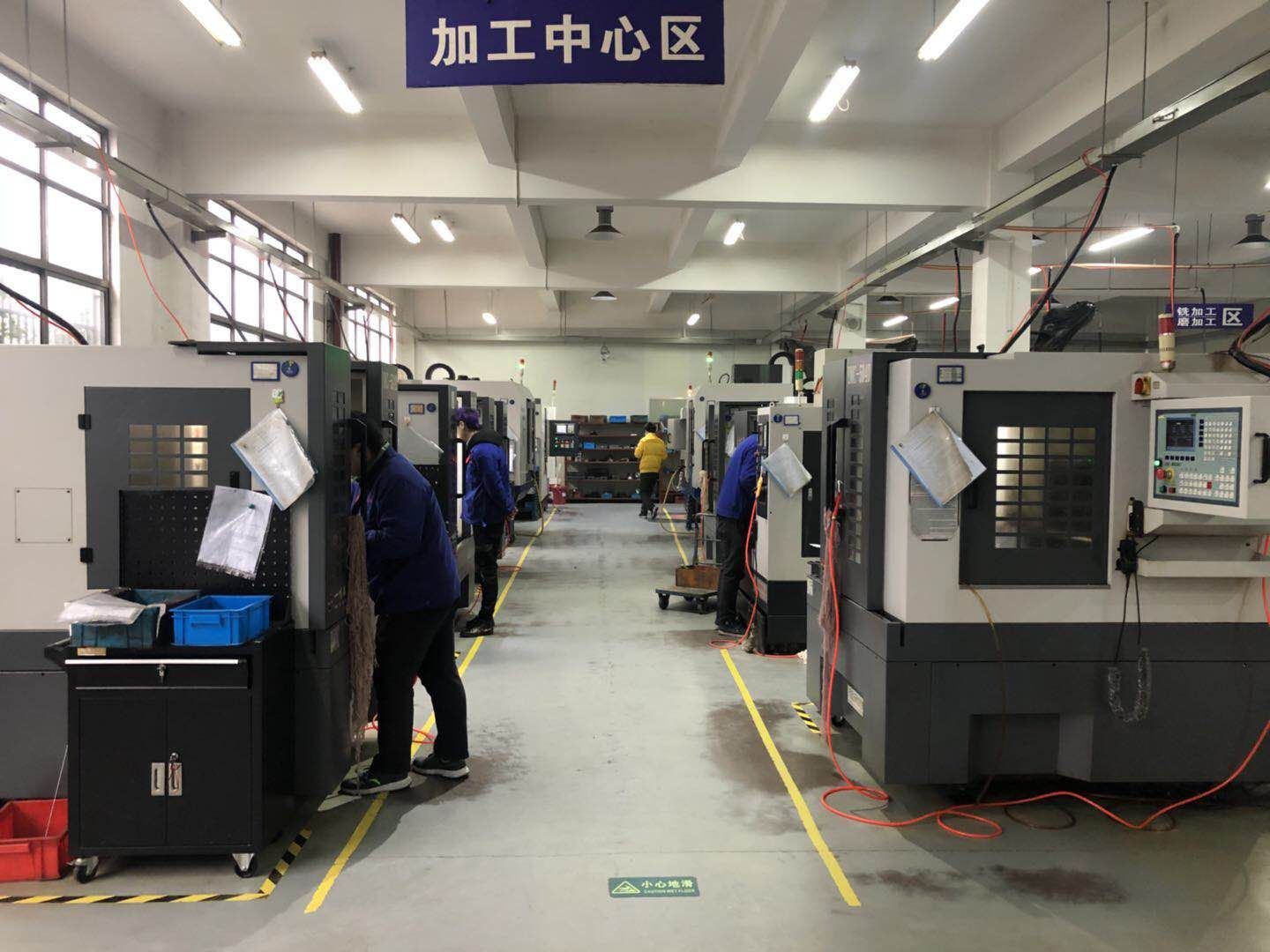
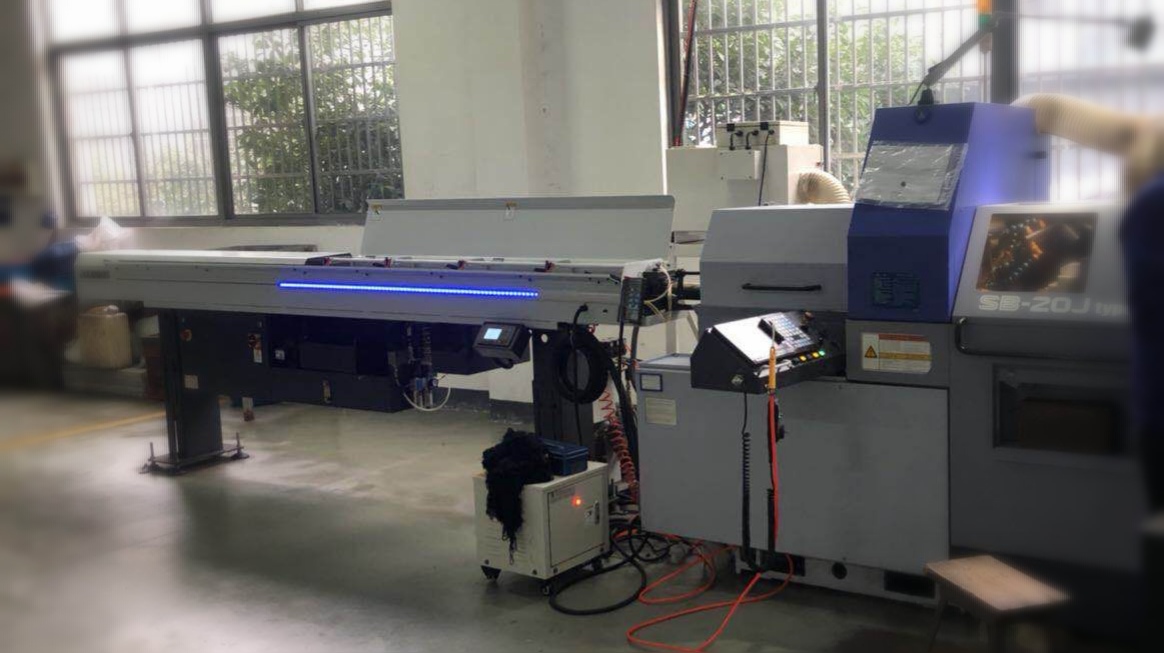
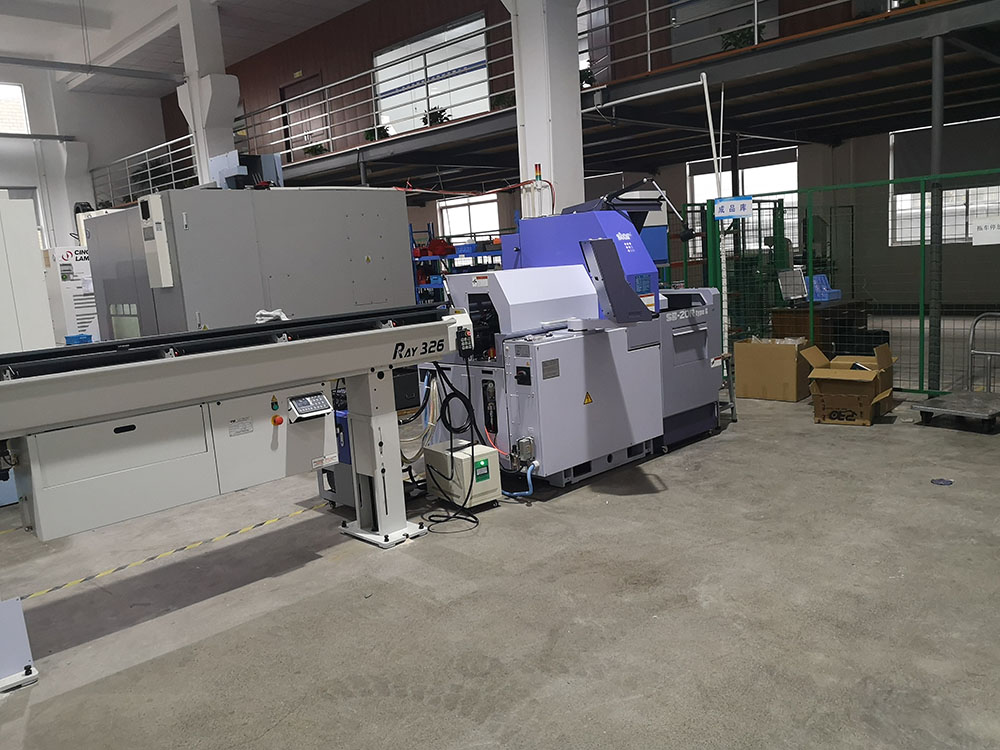
Changzhou, located in the Jiangsu province of China, is recognized globally as the premier cluster for orthopedic implant and instrument manufacturing. This geographic specialization offers unparalleled supply chain advantages. By housing raw material validation, precision Swiss-type CNC machining centers, anodization facilities, cleanroom packaging, and sterile barrier testing labs within a single economic zone, manufacturers achieve remarkable cost and quality efficiency.
DEON Medical leverages this advanced manufacturing ecosystem. Operating with deep manufacturing expertise and a 10-year industry presence, we coordinate high-precision production of bone plates, pedicle screws, and complex targeting systems. By bypassing third-party machining networks, we maintain absolute control over tolerances, structural passivation, and material certificate verification, passing down commercial value to global buyers.
Entering strict regulatory landscapes such as the FDA (USA), CE MDR (Europe), or NMPA (China) requires comprehensive technical documentation. Our operations prioritize traceability, providing full Material Test Reports (MTRs) and Chemical Analysis Certificates for every batch of Grade 5 Titanium or PEEK polymer.
Additionally, our localization support provides customized packaging configurations, dual-language instructions for use (IFU), and validation documentation for autoclaving or gamma-sterility. Our engineering department offers direct assistance to distributors during regional registration phases, ensuring compliance with local medical safety boards.
Get authoritative technical answers regarding material selections, manufacturing limits, and custom ordering protocols.
DEON Medical (Changzhou) Co., Ltd. is a specialized manufacturer of orthopedic implants and precision targeting systems located in the medical manufacturing hub of Jiangsu, China.
DEON Medical (Changzhou) Co., Ltd.
Orthopedic Trauma bone plates, bone screws, orthopedic interlocking nails, orthopedic spine pedicle screws, Cervical Plates, PEEK cervical & lumbar cages, and related surgical targeting systems.
11 - 50 Professional Personnel
Jiangsu, China
Trading Company & Custom Manufacturer Representation (10 Years Industry Presence)
Browse our additional high-quality surgical hardware, machined components, and interbody fusion cages designed for clinical stability.
 Deon Medical