China Best Intraoperative Monitoring Factory & Suppliers

Global Leader in Advanced Spinal Implants, Biocompatible Fixation Systems, and High-Precision Surgical Hardware Integrating Seamlessly with Modern IONM Protocols.

ISO 13485 Certified CE & MDR Compliant Materials OEM/ODM OEM Specialist Biocompatible Titanium Grade 5
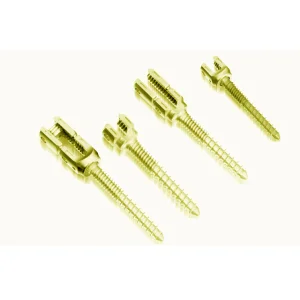
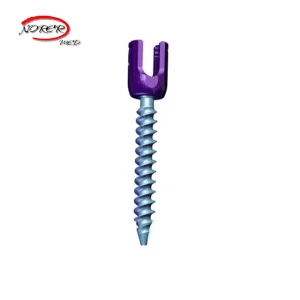
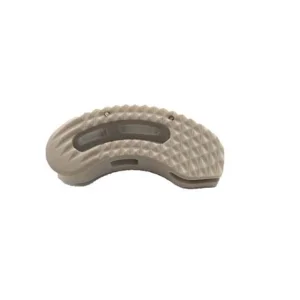
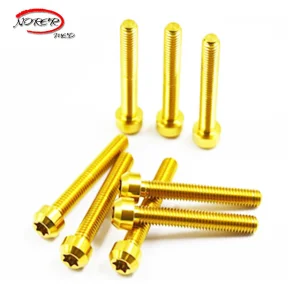
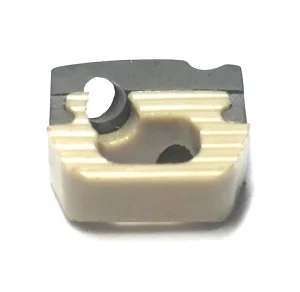
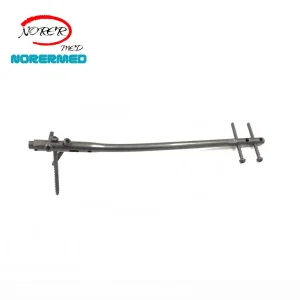
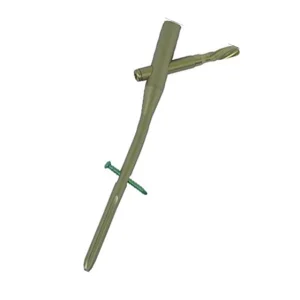
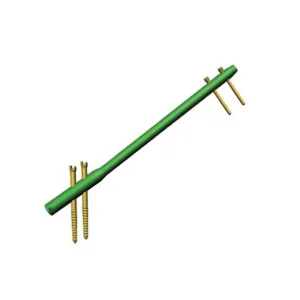
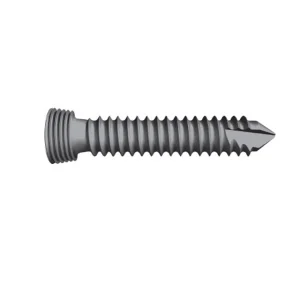
Featured Spine & Orthopedic Systems (Pre-monitored Clinical Solutions)

Clinical Convergence: Spinal Stabilization & Intraoperative Neuromonitoring (IONM)

An industry whitepaper on navigating mechanical biomechanics, signal preservation, and high-integrity titanium implants during complex spinal procedures.

1. The Evolution of Safe Spine Interventions in Modern Surgery

In modern complex spinal procedures, combining intraoperative neuromonitoring (IONM) with mechanical fixation hardware is the standard of care. Standard orthopedic implants face a main clinical challenge: minimizing electrical signal interference while maintaining primary biomechanical stability. Advanced titanium pedicle screws and polyaxial fixation systems serve as the structural framework for correction, requiring materials designed to avoid neural irritation or magnetic distortion during continuous electromyography (EMG) or motor evoked potential (MEP) tests.

State-of-the-art Chinese medical manufacturing has evolved to support these complex processes. DEON Medical, based in the Changzhou medical device industrial hub, manufactures biocompatible spinal solutions. These range from minimally invasive pedicle screws to medical-grade PEEK lumbar cages, ensuring precise physical profiles to facilitate optimal placement and reduce the risk of structural impingement on local nerve roots.

Key Clinical Focus: Real-time neurophysiological mapping during the insertion of uniplanar and polyaxial screws helps protect neural pathways, transforming spinal stabilization from a mechanical procedure to a neurologically guided intervention.

2. Macro Industry Solutions: Structural Biocompatibility Meets Signal Transduction

Selecting materials for spine surgery requires balancing mechanical strength and electrical compatibility. Pure titanium alloys (such as Ti-6Al-4V ELI) and Polyetheretherketone (PEEK) are the materials of choice due to their unique properties:

  • High Strength-to-Weight Ratio: Resists fatigue during physiological loading.
  • Biocompatibility and Osseointegration: Supports long-term bone growth on the implant surface.
  • Low Electrical Interference: Prevents distortion of evoked potential readings.
  • Radiolucency (PEEK): Allows clear imaging of the fusion site without artifacts.

By optimizing these material properties, modern implants minimize signal artifacts, allowing IONM systems to detect neural changes during correction and stabilization.

Signal Compatibility
Implants designed with non-ferromagnetic materials minimize imaging and electrophysiological signal distortion.
Biomechanics & Fit
Thread profiles and low-profile heads reduce structural impact on surrounding soft tissues and neural pathways.
Precision Tolerances
ISO 13485 manufacturing ensures reliable component fits, minimizing mechanical play during surgical assembly.

Technical Roadmap: Hardware Integration with Surgical Navigation

From simple stabilization to smart, navigated structural components.

Spine surgery continues to advance, driving the development of new implant designs. Navigated pedicle placement demands that implant components align with both physical instruments and computerized navigation systems. Integrated systems link the mechanical implant with optical tracking and electrical monitoring, providing real-time feedback during placement.

Phase 1: Basic Biocompatible Screws & Pins

Focuses on mechanical fixation using high-grade titanium. Surgical placement relies primarily on fluoroscopy and visual landmarks.

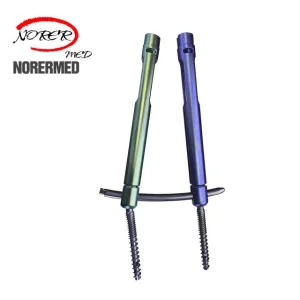
Phase 2: Minimally Invasive Surgery (MIS) & Cannulated Screws

Uses guide wires to insert screws through small incisions, helping protect local muscle tissue and soft-tissue structures.

Phase 3: Digital Navigation & Electrode Integration

Features implant systems that align with digital surgical navigators, supporting continuous monitoring of nerve pathways during placement.

Manufacturer Profile: DEON Medical (Changzhou) Co., Ltd.

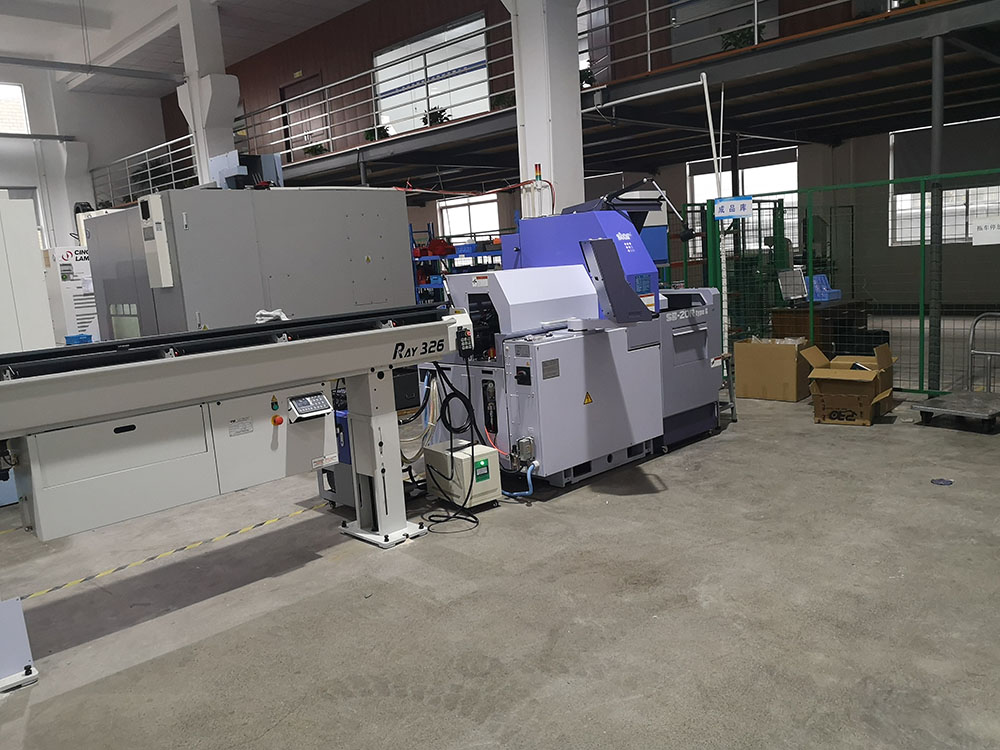
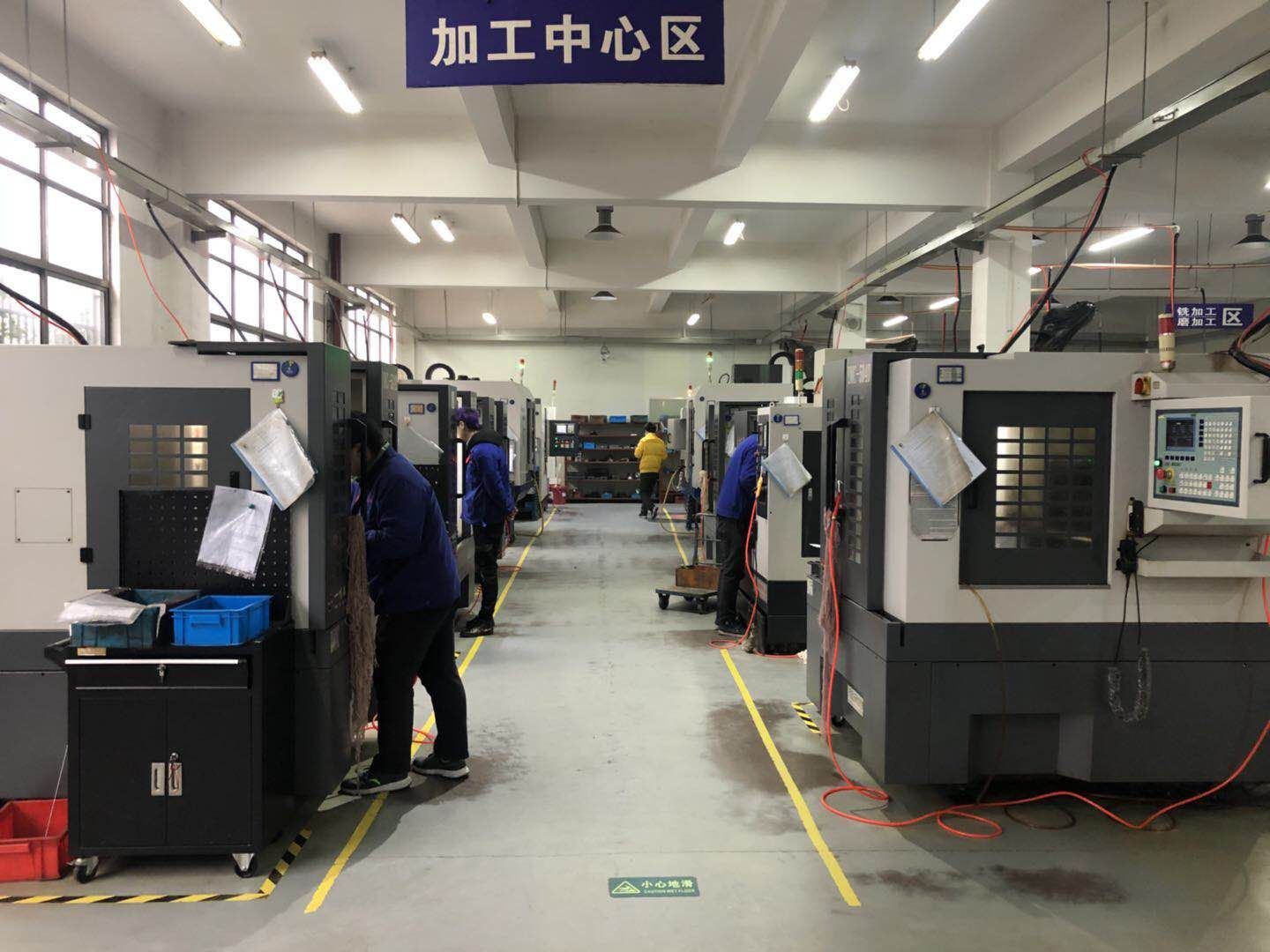
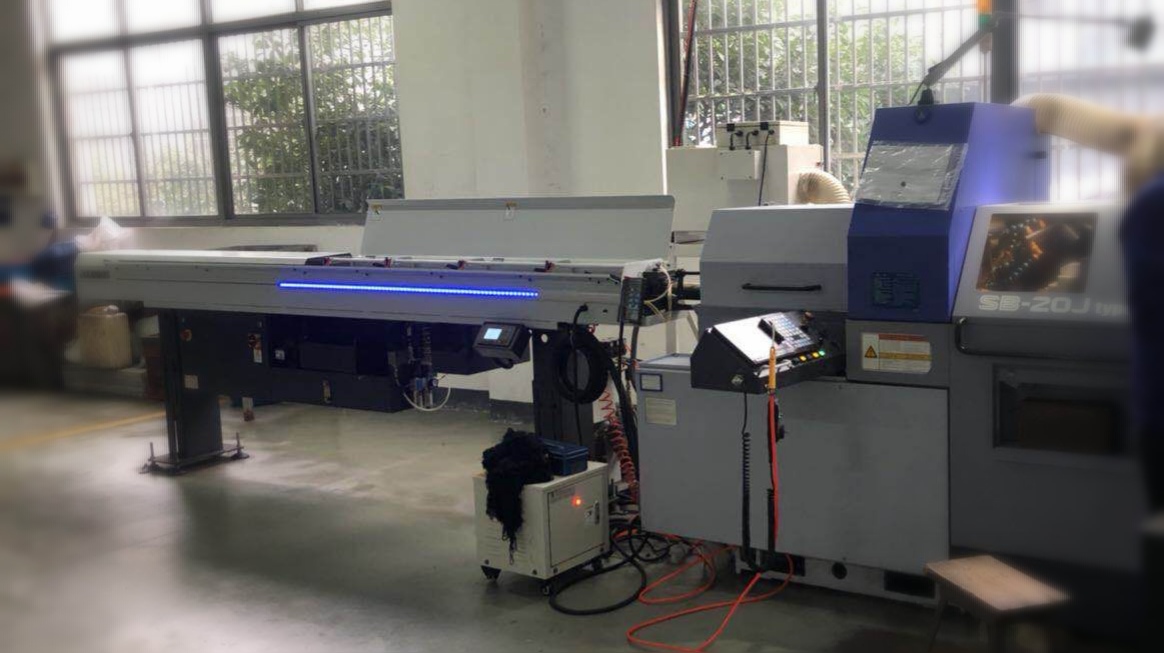
Original corporate profile and production facilities in Changzhou, Jiangsu, China.

DEON Medical (Changzhou) Co., Ltd.

Located in the Changzhou medical manufacturing cluster, we produce orthopedic trauma plates, bone screws, interlocking nails, spine pedicle screws, cervical plates, and PEEK cervical/lumbar cages.
Company Name
DEON Medical (Changzhou) Co., Ltd.
Core Product Categories
Orthopedic Trauma plates & screws, Interlocking nails, Spine pedicle screws (monoaxial, polyaxial, minimally invasive), ACIF/TLIF PEEK cages, Cranial skull locks, and specialized veterinary implants.
Total Employees
11 - 50 People
Origin / Location
Jiangsu, China
Business Framework
Manufacturer & Trading partner supporting global hospital supply chains.
Industry Experience
Over 10 years of export experience.

Global Procurement Demands and Regulatory Pathways

Important factors for sourcing medical devices and implants internationally.

Procurement teams evaluate suppliers based on manufacturing quality, regulatory certifications, and material compliance. High-risk surgical products, such as spinal screws and cages, require documented traceability from raw material to finished device.

  • Material Quality Certificates: Chemical analysis and mechanical testing reports for titanium (Ti-6Al-4V ELI) and medical-grade PEEK.
  • Manufacturing Cleanliness: Production in controlled cleanrooms to reduce bioburden and endotoxin levels before sterilization.
  • Design Control: Verified dimensions and tolerances to ensure compatibility with standard surgical tools and navigation components.

Additionally, local distribution relies on proper product labeling, clear user guides, and regulatory approvals (such as MDR, FDA, or local registration) to help ease customs clearance and hospital acceptance.

Technical & Procurement FAQ

Answers to common questions regarding implant materials, biocompatibility, and manufacturing standards.

Why is medical-grade titanium preferred for spine and orthopedic implants?
Medical-grade titanium alloys (specifically Ti-6Al-4V ELI) offer an ideal combination of mechanical strength, corrosion resistance, and biocompatibility. They have a lower modulus of elasticity compared to stainless steel, which helps reduce stress shielding, and are non-ferromagnetic, minimizing interference during imaging and clinical monitoring.
How do PEEK lumbar and cervical cages compare to titanium alternatives?
PEEK (Polyetheretherketone) features an elastic modulus close to that of human cortical bone, which helps promote natural load sharing. Its radiolucent property allows surgeons to easily assess bone fusion progress on X-rays without the shadow artifacts common with metallic implants.
What quality standards does DEON Medical follow?
DEON Medical maintains an ISO 13485 certified quality management system. Production processes, including raw material sourcing, CNC machining, cleaning, and final inspection, are documented and monitored to ensure consistent quality and traceablity.
Are your orthopedic implants suitable for veterinary applications?
Yes, we manufacture dedicated human-use and veterinary implant configurations. Our veterinary line includes monoaxial/polyaxial pedicle screws, specialized PEEK fusion cages, and locking plate systems designed for companion animal and equine surgical needs.
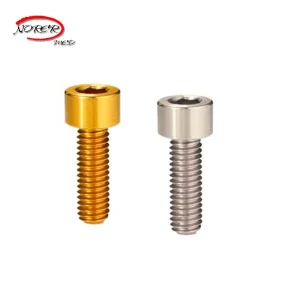
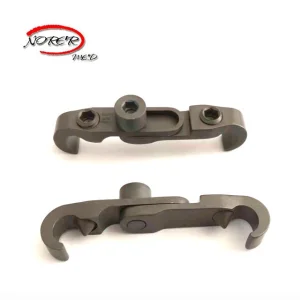
Precision Fasteners, Connectors, & Specialized Arthrodesis Components