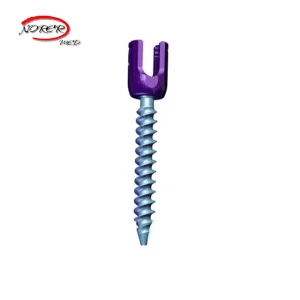
The global orthopedic implant sector is undergoing a massive paradigm shift. Driven by aging demographics, an escalation in sports-related trauma injuries, and rapid advancements in materials science, the demand for precision-engineered fracture repair devices has reached unprecedented heights. Clinical environments today demand products that not only offer high mechanical stability but also accelerate biological integration and reduce patient recovery times.
Modern osteosynthesis revolves around critical anatomical regions: from cranial reconstruction to spinal segment stabilization, and long-bone fixation such as the femur and tibia. The selection of materials is crucial in minimizing implant rejection rates. Standard grade titanium alloys, such as Ti-6Al-4V ELI (Extra Low Interstitial), and advanced engineered polymers like PEEK (Polyetheretherketone) have emerged as the industry gold standards. These materials deliver a precise balance between structural rigidity, high fatigue resistance, and biocompatibility, minimizing the risk of stress shielding and subsequent implant failure.
Clinical Advantage Focus: Modern bone healing protocols emphasize the transition from highly rigid absolute stability models to dynamic, elastic stabilization schemes. Utilizing interlocking nails and locking compression plate systems allows micro-movements at the fracture gap, actively promoting callus formation and faster physiological union.
For B2B procurement managers and surgical directors, selecting the correct mechanical profile is a vital clinical decision. The table below delineates the structural and biological properties that define clinical suitability across diverse anatomies:
| Material Specification | Elastic Modulus (GPa) | Radiolucency & Imaging | Biocompatibility Index | Primary Clinical Indications |
|---|---|---|---|---|
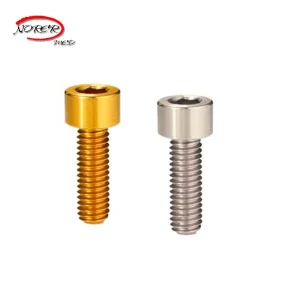
| Titanium Grade 5 (Ti-6Al-4V) | 110 - 114 | Opaque (CT/MRI Artifacts) | Exceptional (Excellent Osseointegration) | Pedicle Screws, Tibial/Femoral Interlocking Nails, Trauma Bone Plates |
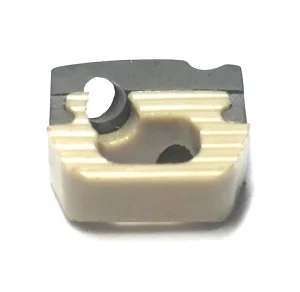
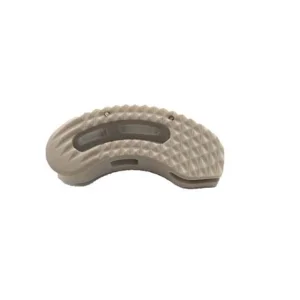
| PEEK (ASTM F2026) | 3.6 - 4.0 | Fully Radiolucent (X-Ray Transparent) | Inert (Ideal for Fusion & Bone Growth Monitoring) | Spinal Infusion Cages (ACIF/TLIF), Suture Anchors |
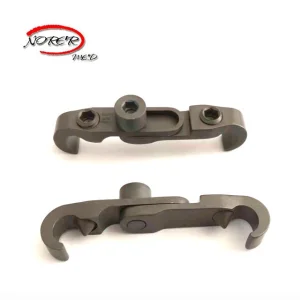
| Cobalt-Chromium Alloys | 220 - 230 | Highly Opaque | Good (High Wear Resistance) | Joint Arthroplasty, High-Load Spinal Crosslinks |
As demonstrated by these mechanical specifications, PEEK implants exhibit an elasticity modulus closely mirroring that of natural human cortical bone (~18 GPa). This mitigates stress shielding—a common issue where overly rigid metal implants absorb all physiological loads, causing adjacent bone density to decrease. Conversely, Grade 5 Titanium is unmatched in high shear-stress environments like long-bone trauma and pedicle stabilization, where dynamic loading requires maximum yield strength.
The global medical device market faces dual challenges: maintaining zero-defect manufacturing while optimizing the cost-per-procedure. Changzhou, located in Jiangsu Province, has evolved into the preeminent epicentre of orthopedic manufacturing in China, fostering a robust industrial cluster that streamlines raw material sourcing, precision machining, and regulatory testing.
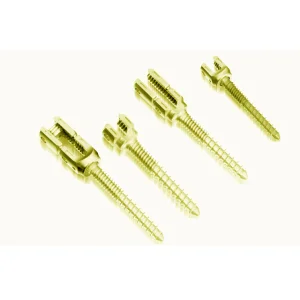
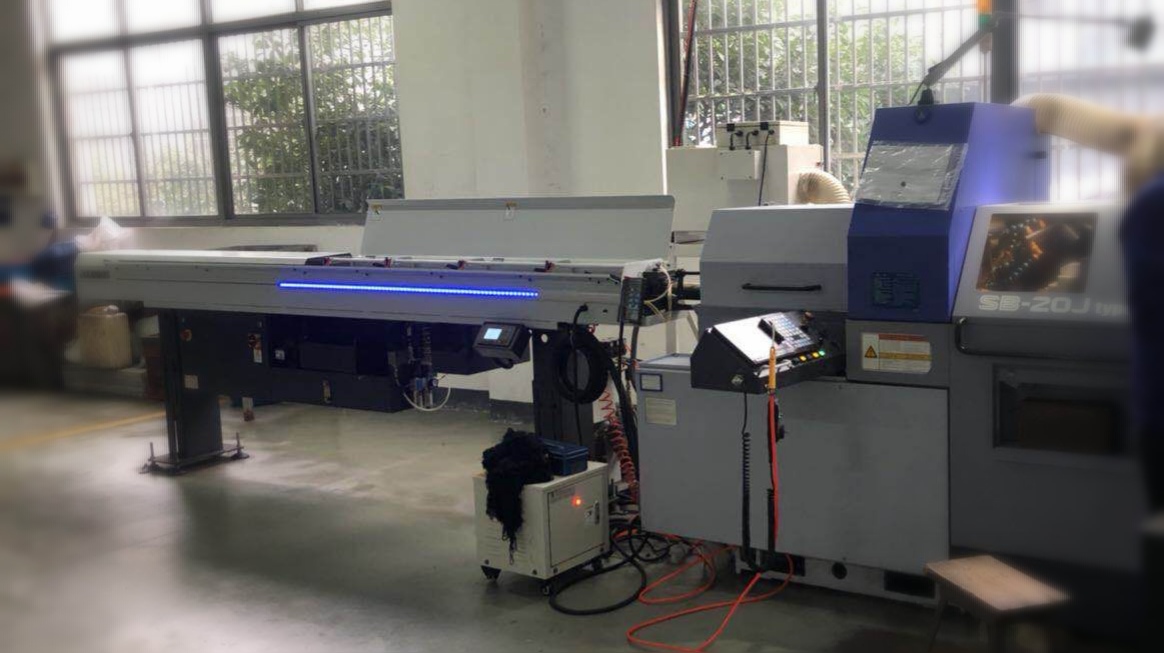
By leveraging advanced Swiss-type CNC automatic lathes and multi-axis machining centers, manufacturers achieve dimensional tolerances as narrow as ±0.005mm. These tight tolerances ensure that complex mechanisms, such as locking compression plates, monoaxial spinal screws, and interlocking nails, perform reliably during surgical insertion.
Furthermore, China’s industrial ecosystem mitigates supply chain risks. Backed by vertically integrated processing—from titanium ingot sourcing to anodization surface treatments and sterile packaging—distributors and hospital procurement agencies receive reliable lead times, even amidst geopolitical and macroeconomic volatility.
Modern orthopedics shows significant overlap between human trauma systems and advanced veterinary care. As veterinary medicine aligns closer with human standard-of-care practices, veterinary surgeons increasingly require human-grade implants for small and large animals.
However, anatomical and biomechanical loads differ significantly between species. Quadruped movement subjects long bones to different vector forces than bipedal movement. For instance, veterinary spine surgeries require specialized locking PEEK cages and monoaxial pedicle screws that can handle shear forces across a horizontal spine. Conversely, human applications demand highly optimized load-bearing profiles to withstand axial compression forces.
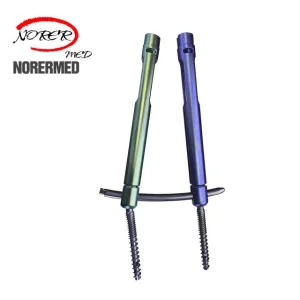
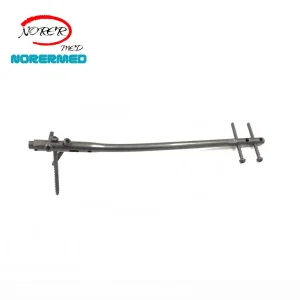
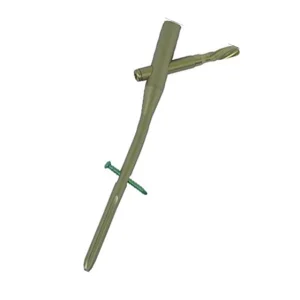
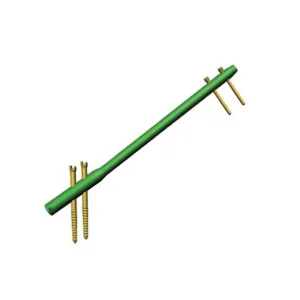
To meet these diverse needs, manufacturers offer highly modular systems. Interlocking expert tibial and femoral nails can be customized in length, diameter, and screw configuration, providing solutions for complex human femoral fractures as well as large animal orthopedic procedures.
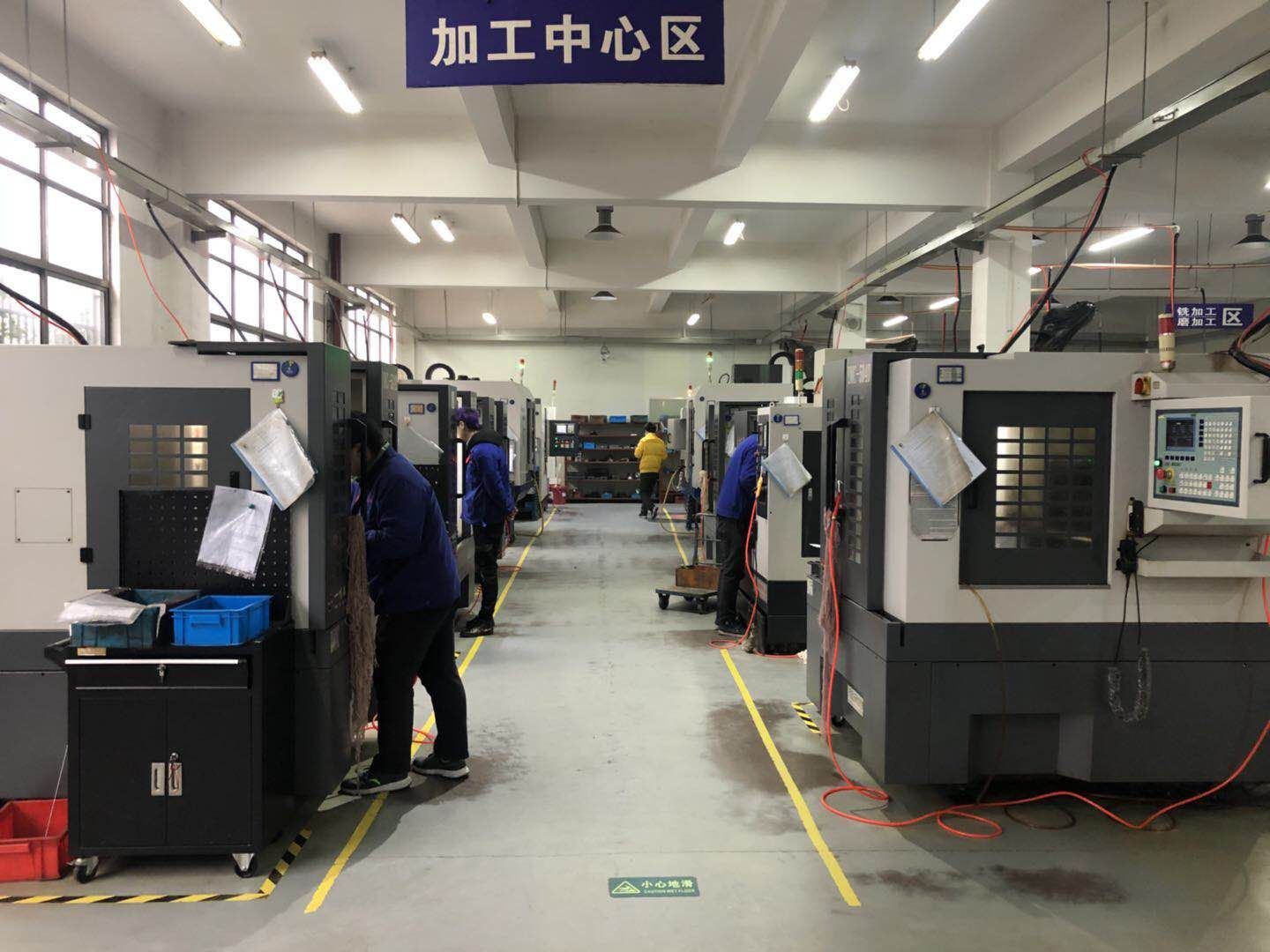
Strategically situated in Changzhou city—the premier industrial hub for medical device innovation in China—DEON Medical (Changzhou) Co., Ltd. is a dedicated manufacturer and exporter specializing in trauma and spinal fixation systems. The company's portfolio features orthopedic trauma bone plates, precision bone screws, interlocking intramedullary nails, spine pedicle screw systems, cervical plates, and bio-compatible ACIF/TLIF PEEK cervical and lumbar cages.
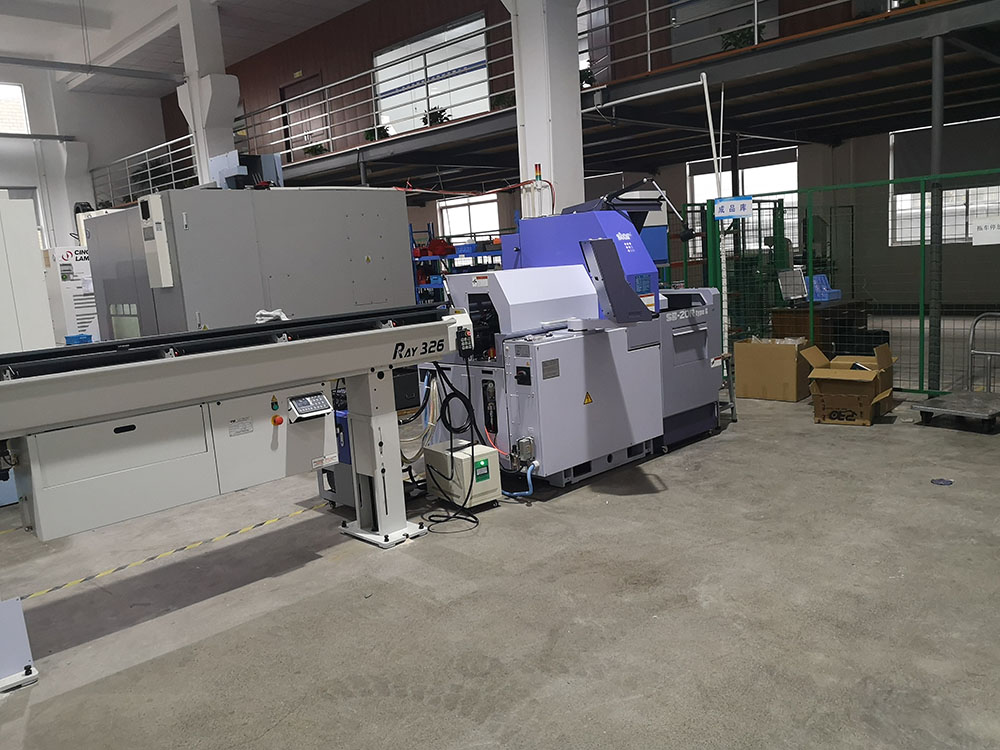
Our operation integrates medical machining technology with raw material traceability. Over the past decade, DEON Medical has supported clinical environments worldwide by supplying durable implants for human and veterinary surgeries. By utilizing Swiss-type sliding head CNC lathes, we produce complex components with consistent mechanical properties and precise dimensional tolerances.
By balancing technical production expertise with responsive export services, DEON Medical assists international distributors, healthcare procurement groups, and veterinary hospitals in streamlining their supply chains with high-quality orthopedic implants.
Titanium Grade 5 (Ti-6Al-4V ELI) has a lower elasticity modulus (~110 GPa) than stainless steel (~200 GPa), bringing it closer to natural bone structure. This helps prevent stress shielding, improves fatigue limit resistance, and offers excellent biocompatibility. Additionally, titanium forms a passive oxide layer that resists corrosion in body fluids.
PEEK (Polyetheretherketone) is radiolucent, meaning it is transparent under X-ray, CT, and MRI scans. This allows surgeons to monitor bone growth and spinal fusion progress over time. Because its stiffness is similar to natural bone, it also reduces stress concentration at the implant-bone interface.
Surgical manufacturers in clusters like Changzhou utilize multi-axis Swiss CNC sliding head machines. These systems cut raw metal bars with high stability, maintaining dimensional tolerances within ±0.005mm. This consistency ensures smooth insertion and secure locking inside bone plates.
Yes, veterinary surgeons often use human-grade orthopedic implants because they share similar material specifications and biomechanical requirements. However, veterinary procedures typically require smaller sizes, specialized locking styles, and unique shapes to match quadruped anatomy.
Exporters must maintain ISO 13485 certification for medical device quality management. In addition, raw materials require metallurgical certificates (heat numbers), and manufacturing processes must include validation protocols (IQ/OQ/PQ) alongside cleanroom packaging to ensure clinical safety.
 Deon Medical