Explore our state-of-the-art trauma implants, titanium fasteners, and bio-compatible spinal architectures engineered for human and veterinary applications.
The international orthopedic implant market is witnessing a fundamental structural paradigm shift. Large healthcare networks, medical distributors, and surgical clinics are systematically phasing out conventional alloys in favor of bio-ceramic and advanced hybrid composites. Advanced ceramic prostheses, engineered primarily from Zirconia-Toughened Alumina (ZTA), and bio-compatible titanium alloys have become the cornerstone of high-durability implantology. The primary drivers for this global shift include an aging world population, rising demand for joint and skeletal revisions, and the critical need for materials that exhibit low wear rates, minimal immune response, and maximum osseointegration.
For sourcing directors across North America, the European Union, and emerging markets in Latin America and the Asia-Pacific, selecting a validated, compliant Chinese exporter is no longer merely a cost-reduction strategy. It is a quest for engineering parity and supply chain stability. Industrial hubs in China, specifically the high-precision medical manufacturing clusters of Jiangsu province, have successfully integrated aerospace-grade titanium processing with advanced biomaterial sintering. This allows medical institutions to procure surgical-grade implants that meet and exceed rigorous ASTM and ISO standards at highly competitive scale.
To understand the application spectrum of advanced ceramic prostheses and their titanium locking interfaces, it is essential to map their material properties. The primary issue with early-generation orthopedic metals was stress shielding—a phenomenon where the metallic implant, being significantly stiffer than human cortical bone, absorbs the biological mechanical load, leading to localized bone resorption and implant loosening.
Exhibiting near-zero wear rates and exceptional chemical inertness. It is the material of choice for articulating bearing surfaces in hip and knee arthroplasty, eliminating the risk of metal ion release and subsequent osteolysis.
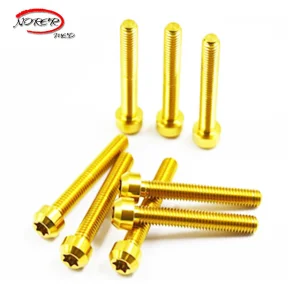
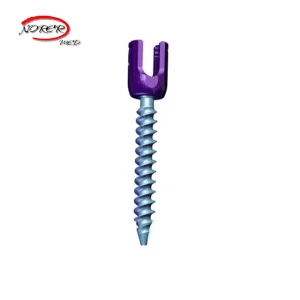
Offering high specific strength, excellent fatigue resistance, and an elastic modulus closer to bone than stainless steel. Crucial for load-bearing skeletal plates, cranial locks, and uniplanar pedicle spinal screws.
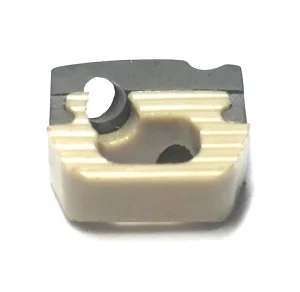
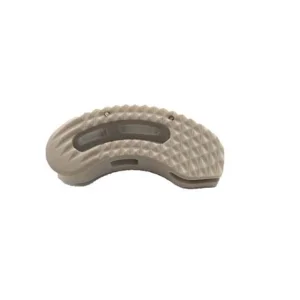
An advanced organic polymer matching the elastic modulus of human cortical bone. Radiolucent under X-rays, making it the industry gold standard for spinal fusion, cervical cages, and lumbar TLIF cages.
The integration of these three materials represents the current apex of reconstructive surgery technology. For instance, in complex cranial reconstruction, a titanium cranial lock acts as the structural anchor, holding custom-fabricated ceramic or PEEK protective skull implants in place. In spinal interventions, titanium spinal pedicle screws are used in tandem with PEEK cages to achieve rigid stabilization while allowing osteoconductive bone grafts to fuse.
| Material Class | Elastic Modulus (GPa) | Tensile Strength (MPa) | Biocompatibility Index | Primary Clinical Application |
|---|---|---|---|---|
| Zirconia-Toughened Alumina (ZTA) | ~ 380 GPa | > 900 MPa | Ultra-High (Bio-inert) | Joint bearing surfaces, dental implants, structural heads |
| Medical Grade Titanium (Gr. 5 / ELI) | ~ 110 GPa | > 860 MPa | High (Bio-reactive / Osseointegrative) | Cranial locks, trauma plates, pedicle screws, interlocking nails |
| PEEK (Polyetheretherketone) | ~ 3.6 GPa | ~ 100 MPa | High (Radiolucent / Bio-inert) | Cervical cages, lumbar TLIF cages, vertebral body replacements |
Modern orthopedic trauma demands solutions that transcend the boundaries of human medicine. The rapid expansion of specialized veterinary orthopedics has created a massive parallel demand for high-strength, micro-sized titanium screws, bone plates, and interbody fusion cages. Small-animal spinal reconstruction and large-animal joint stabilization require the same precision manufacturing tolerances as human cardiothoracic and neurological implants.
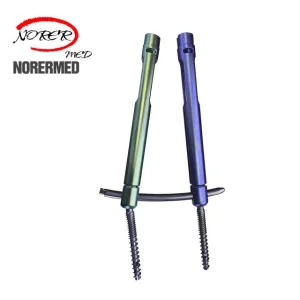
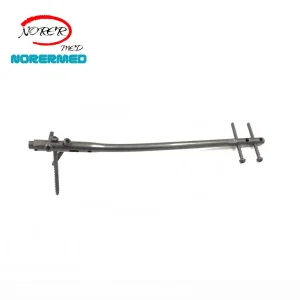
Manufacturers like DEON Medical (Changzhou) Co., Ltd. have bridged this gap by designing multi-use orthopedic platforms. Our titanium PFNA interlocking nails and spinal pedicle poly screws are optimized for both human trauma surgery and advanced veterinary orthopedic procedures. These systems are engineered to withstand complex biomechanical dynamic loads, mitigating mechanical failure in highly active patients—whether human or animal.
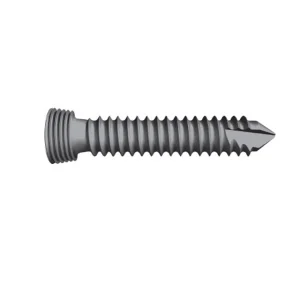
Comprising locking plates, cortical screws, and cancellous screws. Designed to secure comminuted fractures under load, ensuring rigid temporary fixation until natural bone healing completes.
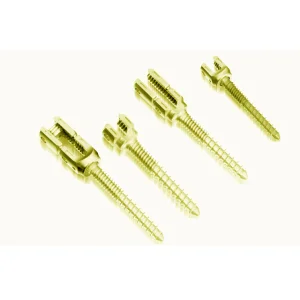
Providing miniaturized titanium monoaxial and polyaxial pedicle screw systems to stabilize canine and feline spinal columns, minimizing surgical trauma through micro-invasive designs.
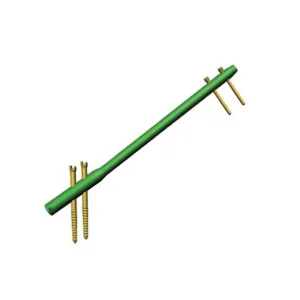
PFNA and tibial interlocking nailing systems designed to align long bone diaphyseal fractures. Features progressive locking configurations to prevent post-operative implant rotation.
Quality assurance in medical device manufacturing is a absolute, non-negotiable metric. Raw medical titanium must be sourced with full material certificates (mill test reports) tracking the exact percentages of Carbon, Nitrogen, Hydrogen, Iron, and Oxygen to guarantee compliance with ASTM F136 specifications. Any variance in material composition can lead to brittleness or catastrophic in-vivo implant failure.
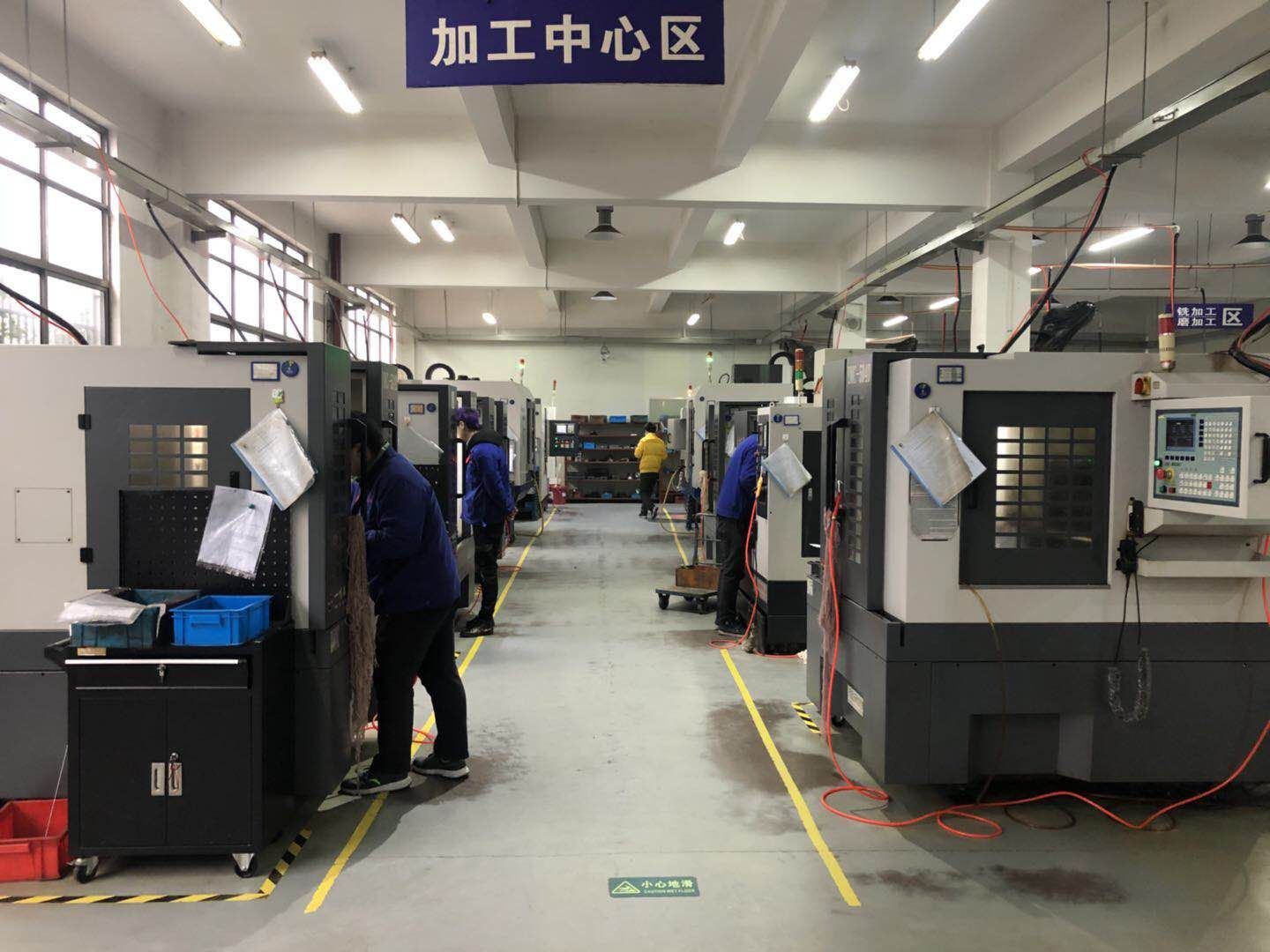
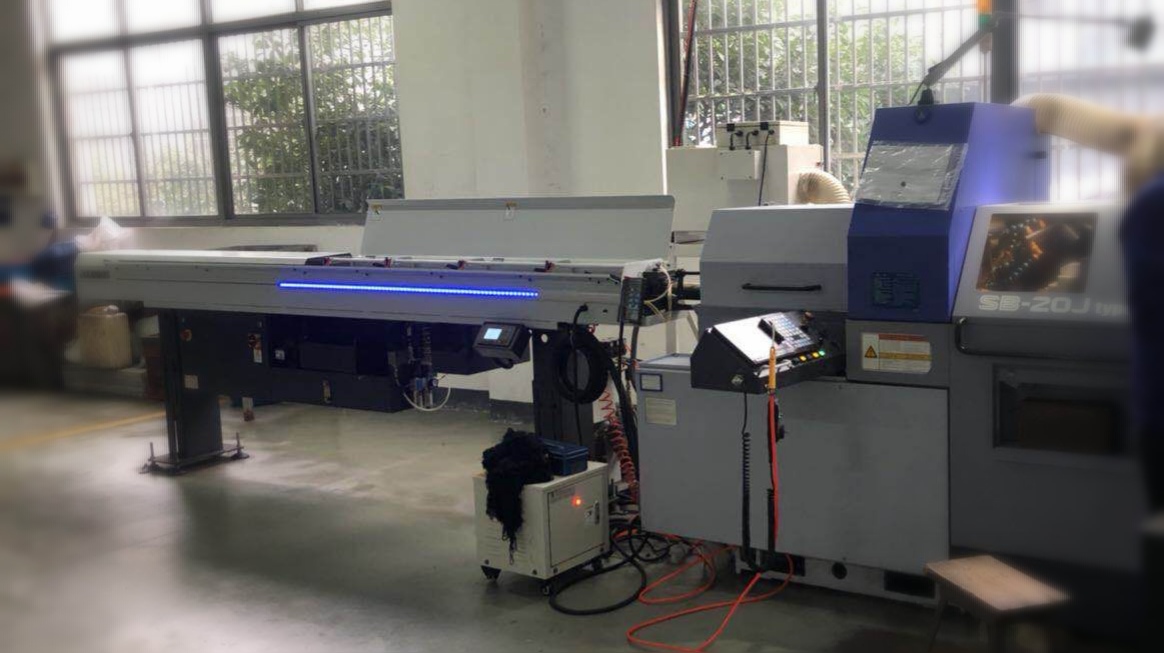
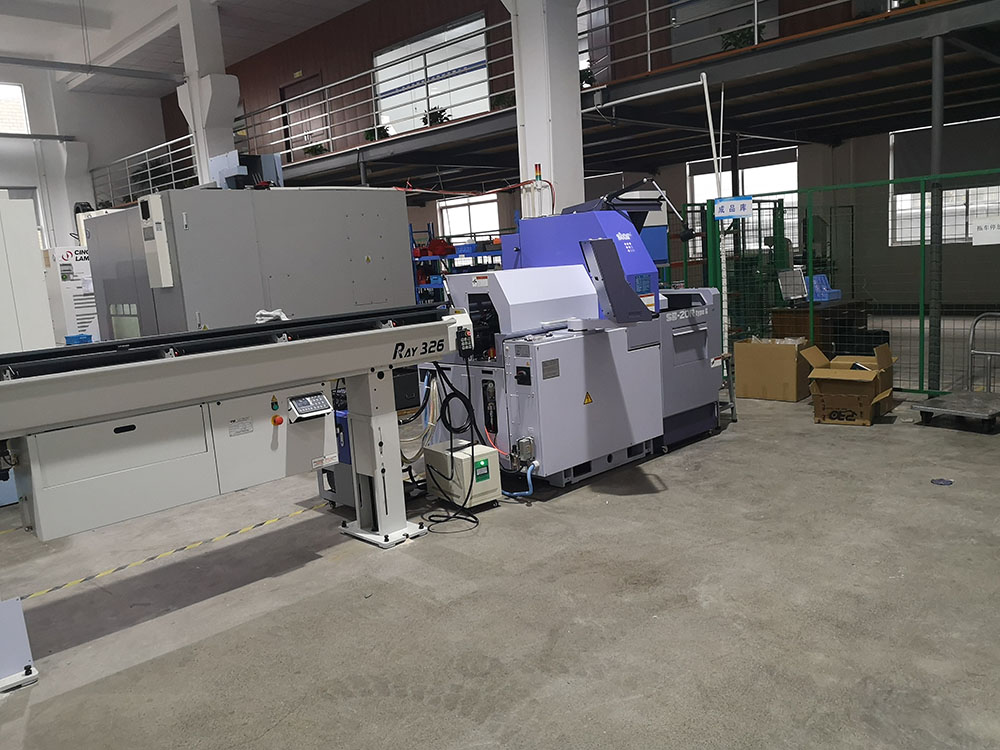
DEON Medical operates with a strict ISO 13485 quality management framework. Our production facility in Changzhou leverages modern multi-axis CNC Swiss-type screw machining centers. This allows us to hold tolerances within +/- 0.005mm—an absolute necessity when machining the microscopic thread structures of spinal fixation screws and locking caps. All components undergo validated chemical cleaning and passivation to remove trace oils, followed by inspections under high-resolution optical comparators before entering class-10,000 cleanroom spaces for packaging.
Located in Changzhou City, Jiangsu Province, China, DEON Medical (Changzhou) Co., Ltd. is a leading specialist in the engineering and production of orthopedic implants and trauma fixation hardware. Our product range includes Orthopedic Trauma bone plates, bone screws, orthopedic Interlocking nails, spine pedicle screws, Cervical Plates, and PEEK cervical and lumbar fusion cages.
| Corporate Location | Changzhou, Jiangsu, China (Premier Medical Device Cluster) |
| Staff Strength | 11 - 50 Professional Engineers, Quality Auditors & Machinists |
| Industry Experience | 10 Years of Global Export & Custom Machining History |
| Core Focus Areas | Trauma Fixation Plates, Spine Stabilization, PEEK Fusion Technologies, Vet Implants |
Key considerations, engineering queries, and regulatory guidance for international distributors purchasing from China.
High-durability spinal implants, compression screws, and specialized interlocking intramedullary nailing systems.
 Deon Medical