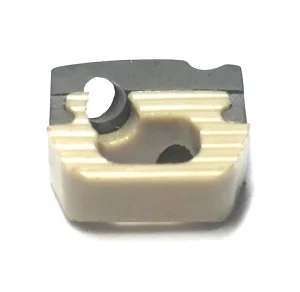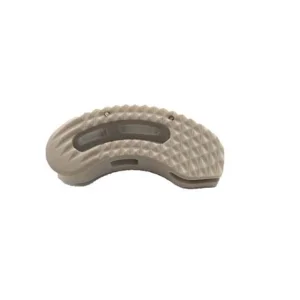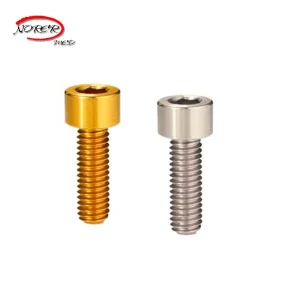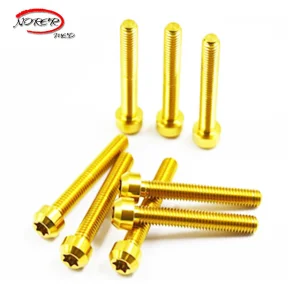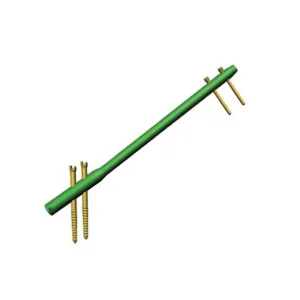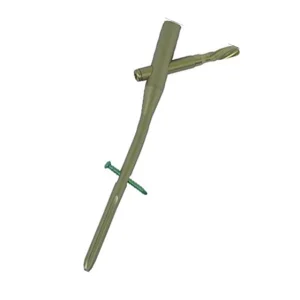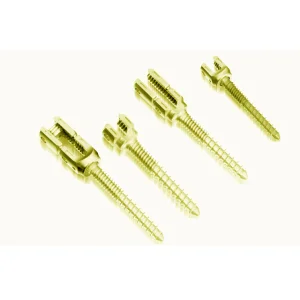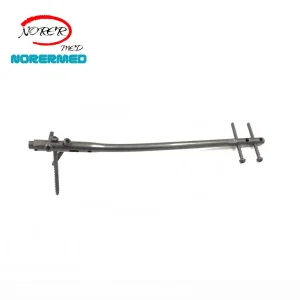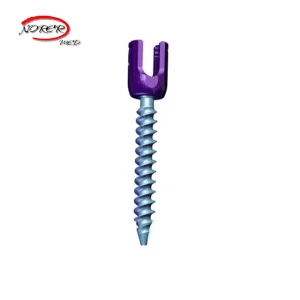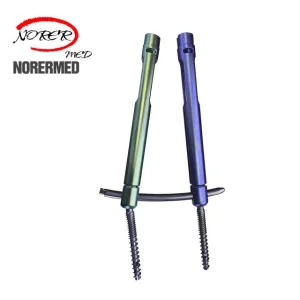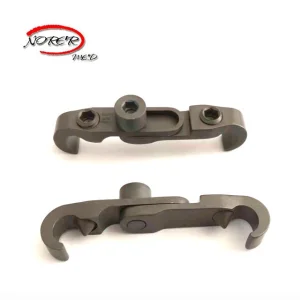
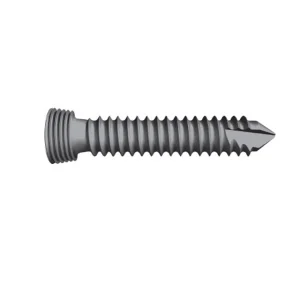
In the highly regulated ecosystem of sterile processing, the choice of a Sterile Barrier System (SBS) is a critical determinant of surgical safety and clinical outcome. Advanced surgical procedures, particularly in human and veterinary orthopedics, require absolute sterile integrity for orthopedic trauma plates, cortical/locking screws, spinal fixation systems, and PEEK interbody fusion cages. Historically, medical facilities relied heavily on disposable sterilization wraps. Today, the global medical industry is rapidly transitioning toward rigid sterilization container systems. This white paper explores how CE-certified medical sterilization containers optimize clinical workflows, decrease operating expenses, ensure safety compliance, and provide significant information gain for clinical procurement specialists worldwide.
Under the European Medical Device Regulation (MDR 2017/745), sterilization containers are categorized as Class I/IIa medical accessories. They must prevent microbial ingress while allowing sterilizing agents (such as saturated steam or vaporized hydrogen peroxide) to penetrate, contact, and effectively sterilize the load.
The global sterile packaging market is undergoing a structural paradigm shift driven by sustainability, compliance, and life-cycle cost optimization. Modern Central Sterile Supply Departments (CSSDs) are moving away from single-use wrap systems due to their high susceptibility to micro-punctures, tears, and wet-pack occurrences. Rigid sterilization containers, constructed of anodized aluminum or advanced polymers like Polyphenylsulfone (PPSU), provide an impermeable shell that physically shields complex implants—such as pedicle screws and cervical plates—during transport and long-term storage.
| Parameters | Rigid Sterilization Containers | Traditional Multi-Layer Wraps | Clinical & Financial Impact |
|---|---|---|---|
| Durability & Lifecycle | Up to 10+ Years (Reusable) | Single-use (Disposable) | Drastic decrease in recurring logistics & waste costs. |
| Microbial Barrier Security | Excellent (Hard protective shell) | Moderate (Prone to pinholes/tears) | Reduces postoperative infection risks (SSI). |
| Drying Performance | Optimized via high thermal conductivity | Prone to moisture retention (Wet-Packs) | Eliminates recycles; improves CSSD efficiency. |
| Environmental Footprint | Zero packaging waste post-validation | High medical plastic waste volume | Aligns with global green hospital initiatives. |
Procuring surgical container systems is no longer just about buying metal boxes. Hospital groups, distributors, and orthopedic OEM brands in North America, Western Europe, and Asia-Pacific mandate specific regulatory approvals and structural features to satisfy rigorous risk-management audits. Chief among these requirements is CE certification according to EN 868-8 and ISO 11607-1/2, ensuring the barrier system can maintain sterility for up to 180 days or longer, depending on storage variables.
Pressure-activated mechanical valve systems that open during vacuum and steam injection but seal hermetically during cooling, preventing any microbial recontamination.
Full traceability with UDI (Unique Device Identification) laser marks, ensuring each sterilization container conforms to European Union health, safety, and environmental protection standards.
Precision-milled silicone brackets and perforated trays designed to house delicate orthopedic implants (locking plates, pedicle screws, spinal rods) without metal-on-metal abrasion.
As a leading industrial center for medical device manufacturing, Changzhou (Jiangsu Province, China) has established a highly integrated orthopedic and medical sterilization equipment cluster. Factories like DEON Medical (Changzhou) Co., Ltd. leverage this proximity to build highly resilient supply chains. The localized ecosystem allows for direct access to premium medical-grade titanium (Gr5), implant-grade PEEK, and specialized anodized aluminum alloys.
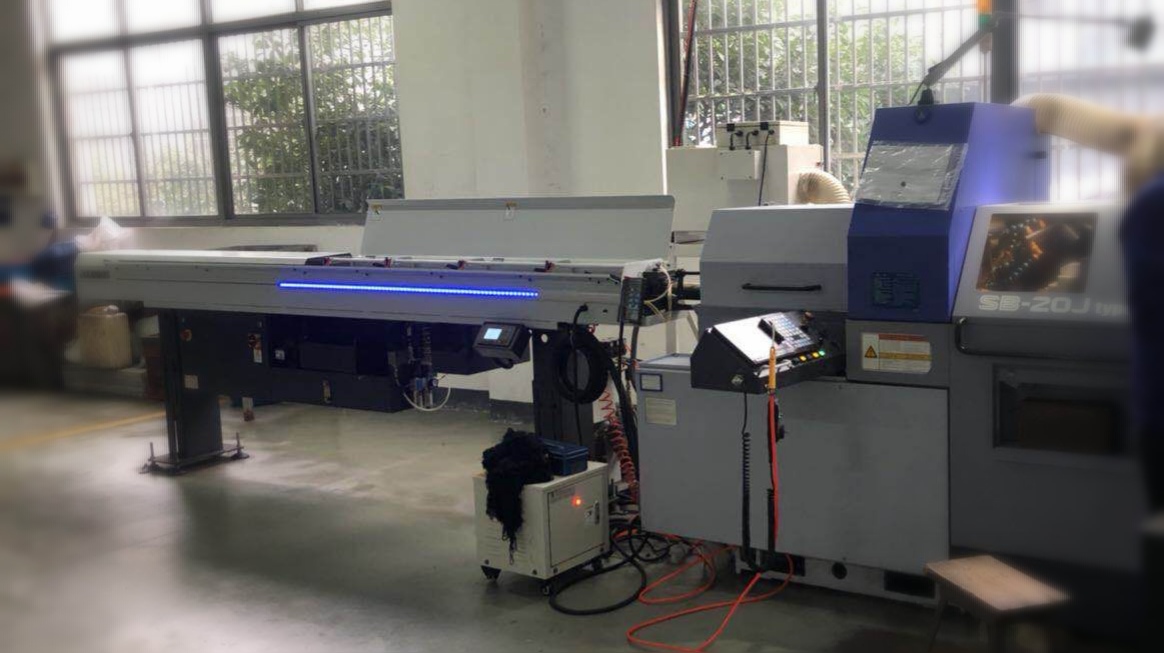
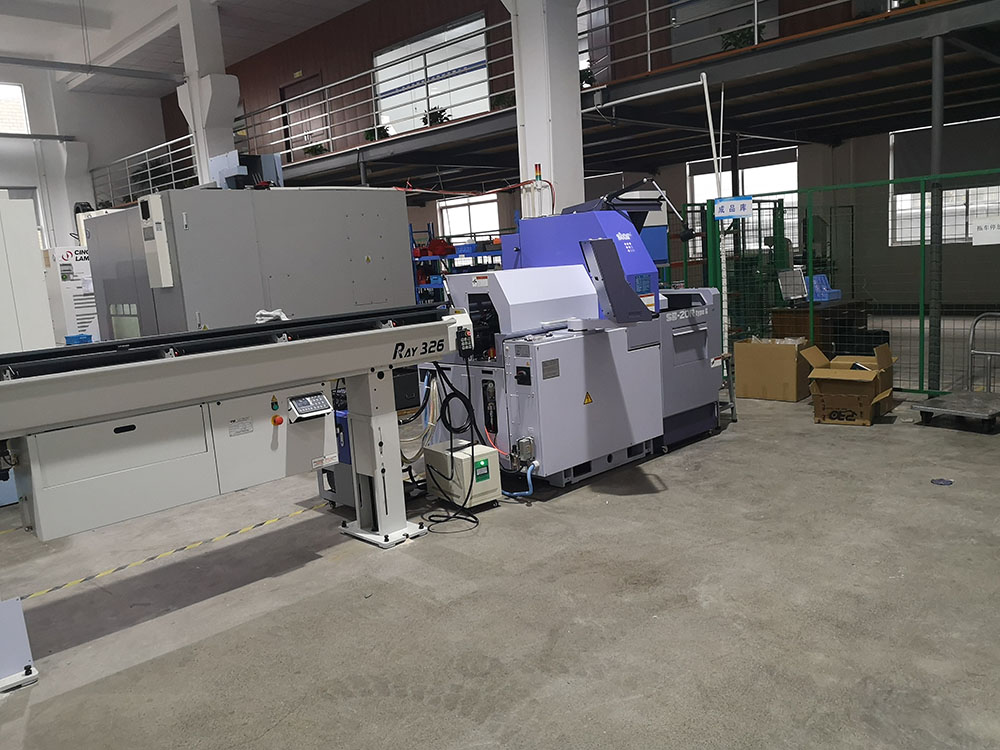
Under China's Manufacturing 4.0 initiative, production facilities deploy advanced multi-axis CNC Swiss-type milling machines, automated laser welding cells, and eco-friendly surface treatment lines. This technological integration ensures that complex tolerances required for bone screws, spinal crosslink rods, and interlocking nails are held to micron-level accuracy. The result is a dual benefit for international buyers: high-quality medical components and robust, shock-resistant sterilizing enclosures produced at a lower unit cost with shorter lead times.
Understanding the final usage environment of sterilization containers allows manufacturers to optimize design features for specific medical procedures:
In high-throughput municipal hospitals, speed and sterility assurance are paramount. Sterilization containers are designed with stackability features, allowing up to three layers to be sterilized simultaneously in large-capacity autoclaves, maximizing chamber efficiency. Secure lock tags with chemical indicators change color upon exposure to steam, providing immediate, visual validation of sterility before the container enters the operating room.
Veterinary surgeons require compact, cost-effective solutions for specialized procedures like TPLO (Tibial Plateau Leveling Osteotomy) or spinal decompression. Small and mini-sized sterilization containers are customized with specialized silicone holding pins to securely grip small bone plates and locking screws, preventing shifting or damage during transit over uneven terrains in mobile veterinary setups.
Orthopedic implant manufacturers frequently lease implant kits (containing an array of bone plates, rods, and locking screws) to hospitals. Our customized sterilization containers act as durable, branded shipping cases that go directly from the distribution hub to the autoclave, then straight to the sterile field, safeguarding high-value implants throughout the circular logistics loop.
Direct from the heart of China's orthopedic medical hub, Jiangsu. Validated manufacturing, global export capability, and extensive industry experience.
Located in Changzhou city, China, DEON Medical is a specialized manufacturer and exporter of Orthopedic Trauma bone plates, bone screws, orthopedic interlocking nails, spinal pedicle screws, Cervical Plates, PEEK cervical & lumbar cages, and related surgical instruments and sterilization containment systems. Operating with over a decade of domain expertise, we integrate high-end raw material sourcing with advanced machining to deliver CE-certified medical components globally.
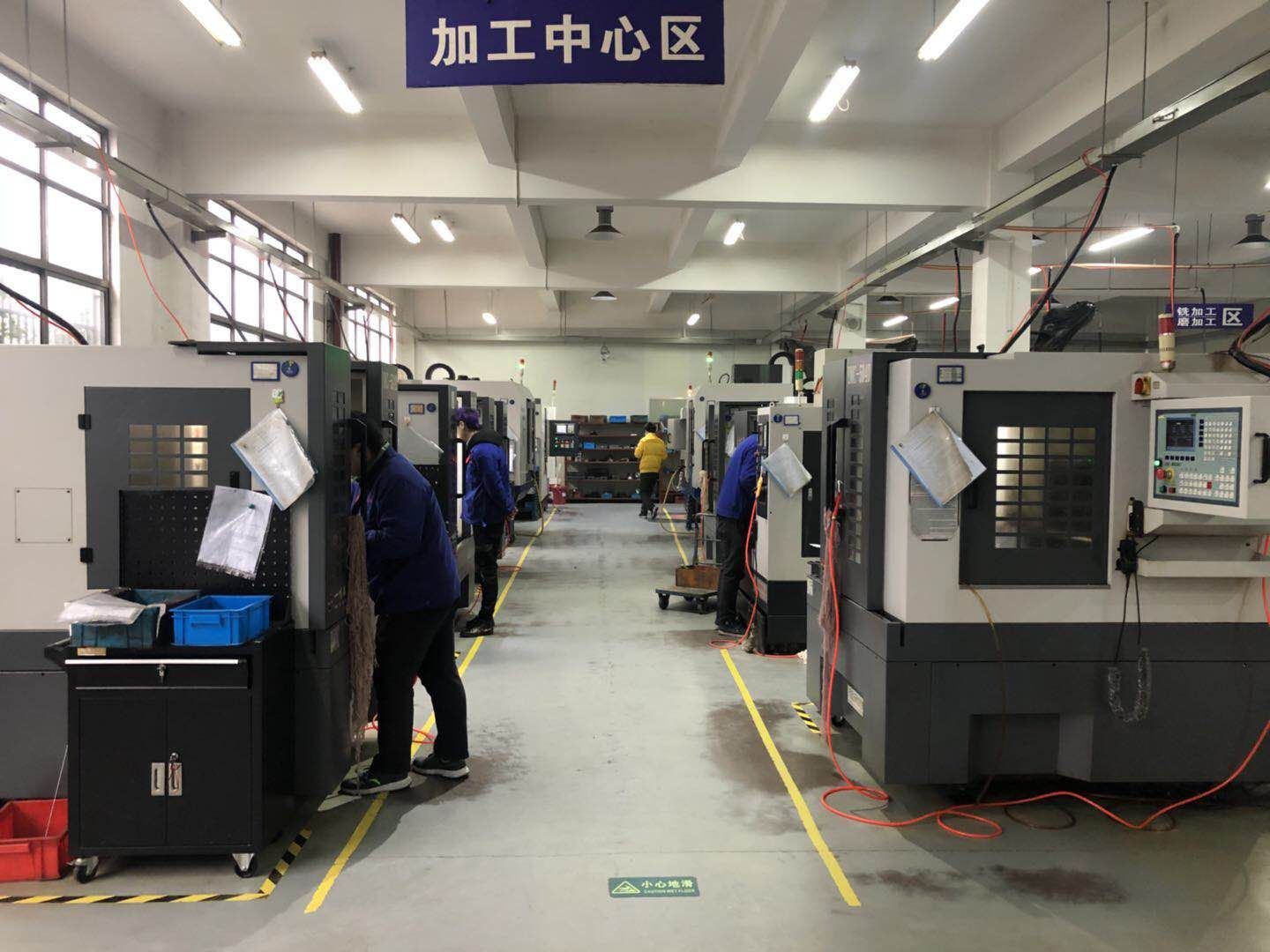
Our facility leverages state-of-the-art CNC processing technologies to fabricate orthopedic hardware and custom containment arrays, maintaining strict compliance with ISO and international CE medical standards.
CE-certified aluminum sterilization containers offer superior mechanical protection, eliminating the risk of punctures and tears common with wraps. From a financial perspective, although the initial investment is higher, their 10+ year lifespan eliminates the ongoing costs of wrap disposal, adhesive tapes, and labor. Additionally, their high thermal conductivity reduces wet-pack occurrences and energy costs during autoclaving cycles.
We use premium, medical-grade anodized aluminum alloys. The anodization process creates a thick, protective oxide layer that resists corrosion from repeating exposure to high-temperature steam and alkaline washing detergents. Furthermore, all silicone mats and holders inside our trays are constructed from medical-grade, platinum-cured silicone, tested for biocompatibility and heat stability up to 134°C.
Yes. Our sterilization systems and orthopedic instruments/implants are designed for both human and veterinary use. We offer modular tray configurations that can hold varying sizes of screws (cortex, locking, or pedicle screws) and plates suitable for different anatomical applications, ensuring versatility for CSSD and veterinary technicians alike.
Our containers are primarily validated for standard pre-vacuum steam sterilization (autoclave) at 121°C to 134°C. However, models featuring specialized materials and PTFE filter arrays are also compatible with low-temperature gas plasma (H2O2) and Ethylene Oxide (EO) sterilization cycles.
We provide complete design-to-delivery customization services. This includes CAD-designed tray layouts tailored to the exact dimensions of your implant kits, custom laser etching for branding and part numbers, color-coded lids for quick identification, and custom-milled silicone brackets to protect delicate implants during international transport.
 Deon Medical