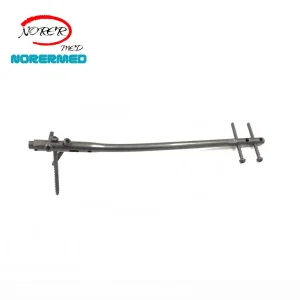
Explore our elite portfolio of CE-certified orthopedic trauma implants, spinal fixation hardware, and biocompatible screw systems configured for precision revision procedures.
An authoritative analysis of mechanical demands, structural degradation factors, and clinical indicators shaping the future of global implant supply.
The global revision joint and bone reconstruction market is undergoing rapid growth, driven by a growing aging population, structural wear in primary operations, and early failures of low-tier implants. Healthcare systems are shifting resources toward clinical safety margins, highlighting the value of CE-certified implants built for secondary interventions.
Revision surgeries require implants with higher fatigue thresholds. Failed primary hardware often causes structural bone loss, micro-instability, and local osteolysis. High-integrity implants, particularly those milled from solid titanium alloy bar stock (Ti-6Al-4V ELI) or biocompatible PEEK polymer, are essential to restore patient biomechanics.
Innovation focuses on the bone-implant interface. The integration of advanced locking systems, specialized porous coatings, and rigid intramedullary interlocking nails minimizes micro-motion, limits aseptic loosening, and accelerates early osteointegration in patients with compromised bone density.
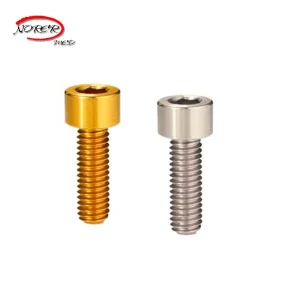
During revision surgeries, clinicians deal with unpredictable anatomy, scarred bone tissue, and minimal structural support. In these scenarios, a standard primary implant is often insufficient. Revision hardware must feature modular component interfaces, variable-angle locking mechanics, and specialized geometry to bridge bone defects. By controlling the CNC machining tolerances of our internal locking threads down to the micrometer level, we protect surgeons against intraoperative cross-threading, ensuring long-term mechanical stability.
How DEON Medical blends local supply chain efficiency with rigid ISO and CE regulatory compliance to serve international distributors.
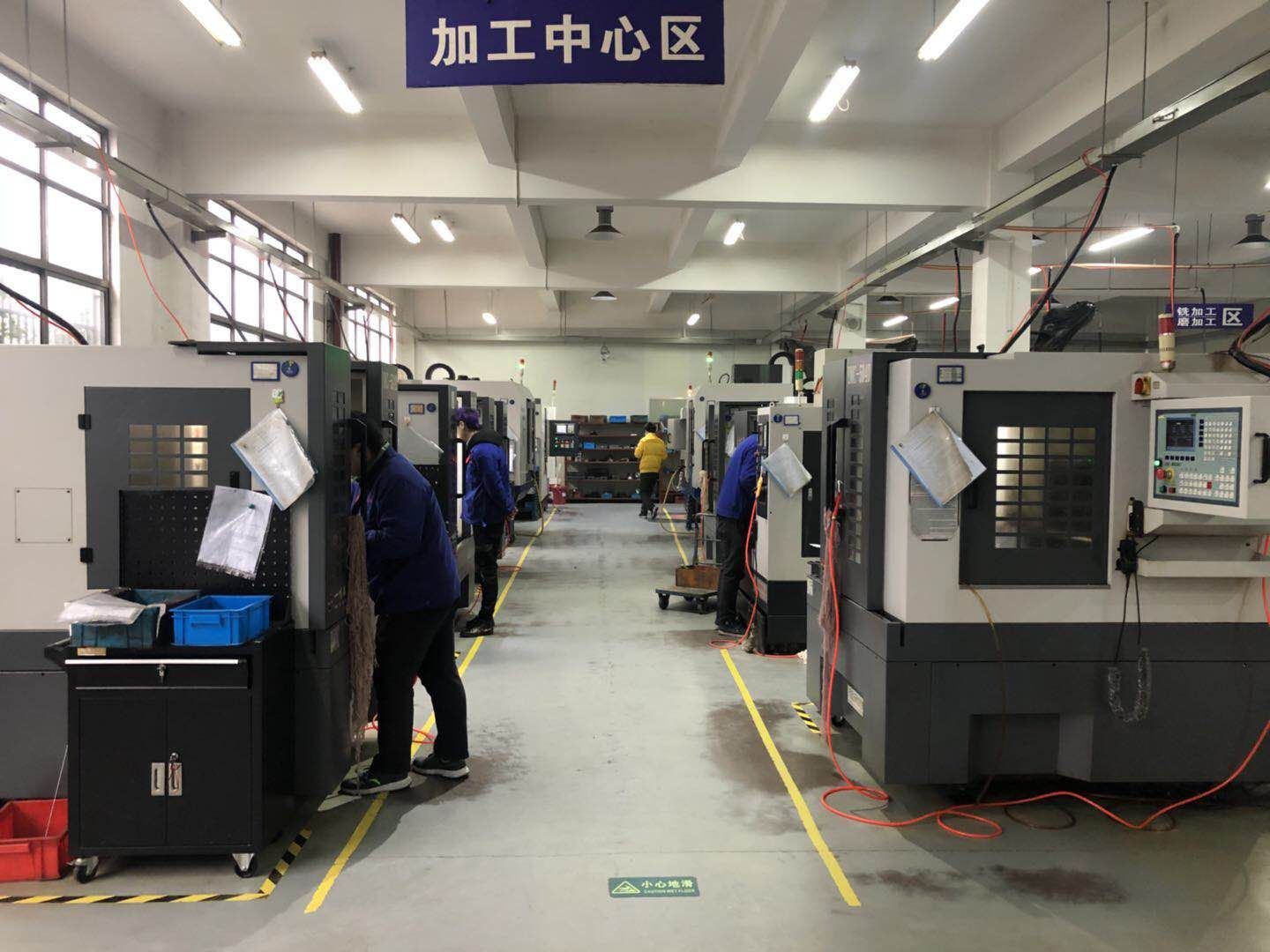
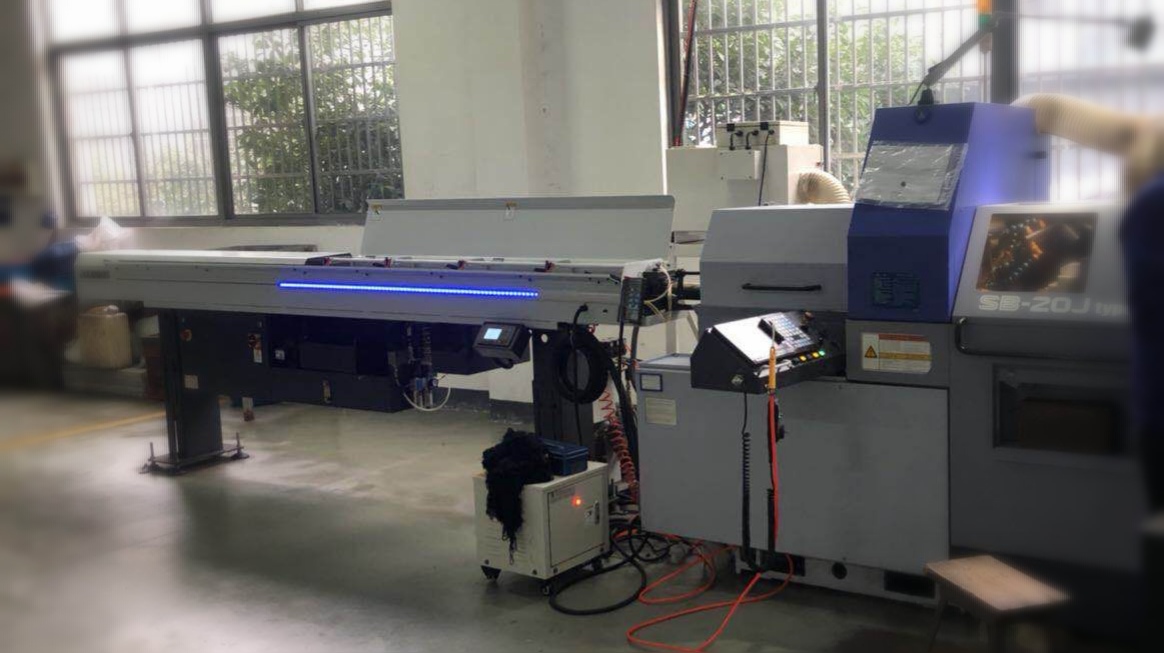
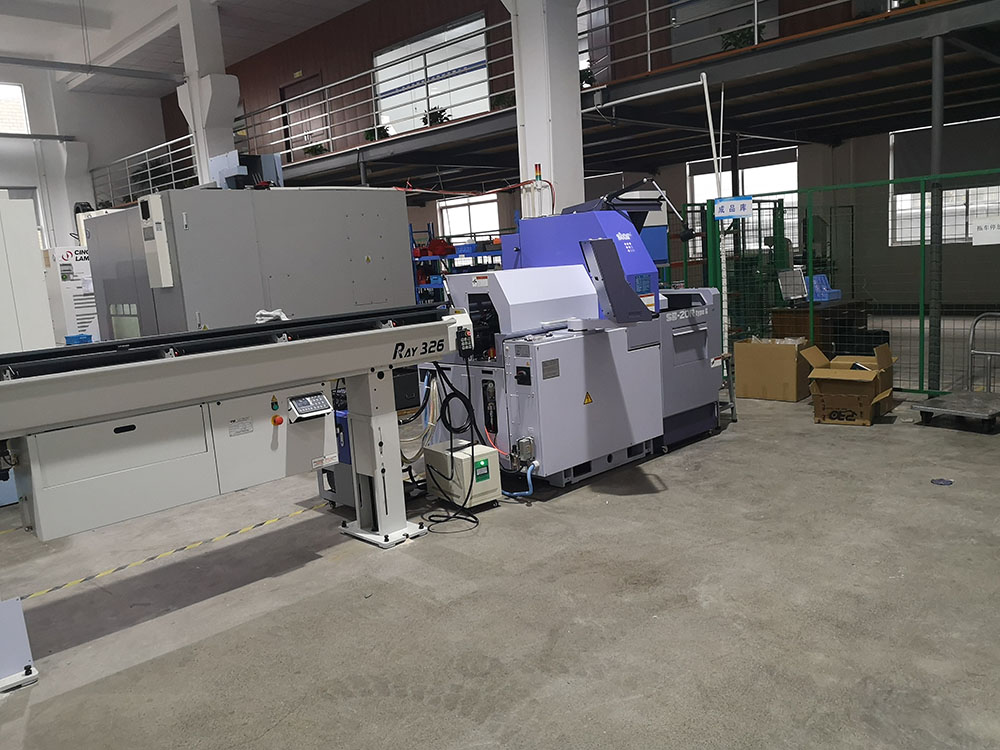
DEON Medical (Changzhou) Co., Ltd. stands at the forefront of China's orthopedic medical device cluster, delivering world-class implants and instruments to global partners.
Translating advanced raw material performance into targeted clinical solutions for both human and veterinary orthopedic workflows.
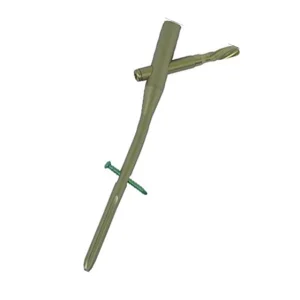
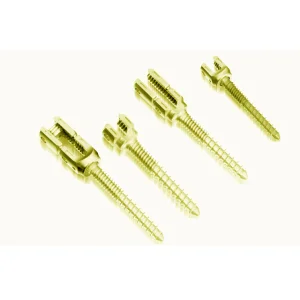
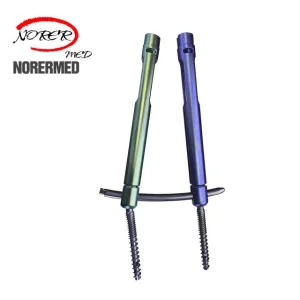
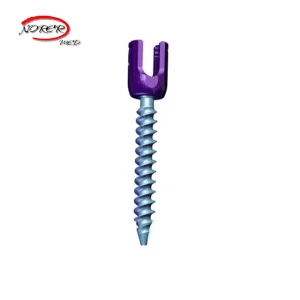
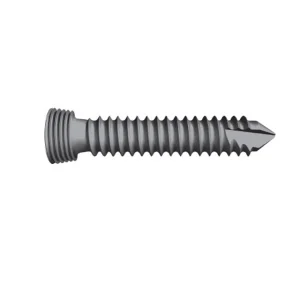
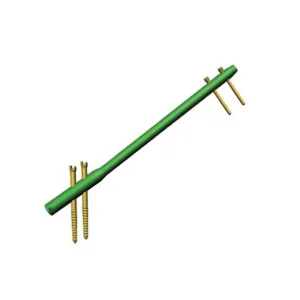
In human clinical settings, revision surgeries are typically required following implant fracture, bone non-union, or localized infection. Our Expert Intramedullary Interlocking Nails (PFNA) and Uniplanar Polyaxial Pedicle Screws are designed to address these challenges:
Veterinary orthopedics presents unique challenges: patients cannot follow post-operative loading restrictions, making mechanical failure a constant risk. Veterinary surgeons depend on reliable, high-fatigue implants for complex revision cases:
| Material Class | Biomechanical Standard | Young's Modulus (GPa) | Primary Clinical Indication | Revision Surgery Performance |
|---|---|---|---|---|
| Ti-6Al-4V ELI (Grade 5) | ASTM F136 / ISO 5832-3 | 110 - 114 | Trauma plates, interlocking nails, spinal screws | High yield strength resists bending deformation under revision loads. |
| Pure Titanium (Grades 1-4) | ASTM F67 / ISO 5832-2 | 102 - 105 | Cranial locks, skull plates, reconstruction mesh | Exceptional ductility allows intraoperative contouring. |
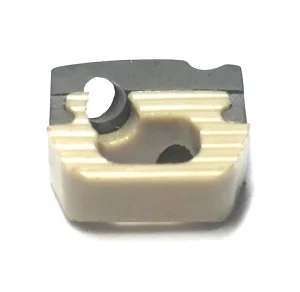
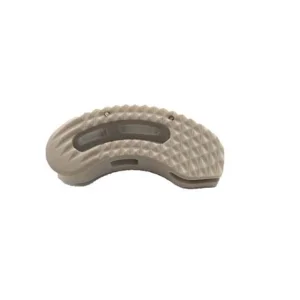
| PEEK Optima® | ASTM F2026 | 3.5 - 4.0 | Spinal cages, TLIF & PLIF inserts, cervical spacers | Radiolucent properties allow clear artifact-free monitoring of fusion progression. |
Leveraging China's leading orthopedic manufacturing hub to deliver cost-effective, high-quality medical products worldwide.
Changzhou hosts a dense network of raw material processing facilities, certified testing centers, and medical-grade packaging suppliers. This proximity minimizes raw material transport times and significantly speeds up production design loops for complex custom designs.
Operating under ISO 13485 guidelines, DEON Medical conducts complete testing for every batch, including tensile tests, surface roughness scans, and coordinate measuring machine (CMM) dimensional checks. These procedures ensure every screw and locking plate aligns perfectly with clinical specifications.
By using Swiss-type CNC automatic lathes and multi-axis machining centers, we keep lead times for custom medical screws and locking plates short, enabling international distributors to maintain lean inventory levels without risking stockouts.
How material science, surface modification, and customized design will define the next generation of medical devices.
Traditional polished implants are being replaced by micro-structured surfaces. Technologies like acid etching, sandblasting (SLA), and anodic oxidation create nano-rough surfaces that mimic natural trabecular bone. This design accelerates osteoblast adhesion and reduces the healing phase, helping to stabilize implants quickly in compromised revision cases.
Carbon-fiber reinforced PEEK is a key focus for spinal and long-bone revision systems. This material matches the modulus of elasticity of natural bone even closer than titanium, helping to prevent stress shielding. Additionally, its radiolucent properties allow clear, artifact-free postoperative monitoring via X-ray and MRI, making it easier to track early bone healing.
For patients with severe bone loss, off-the-shelf revision implants are often not enough. Direct metal laser sintering (DMLS) using titanium powder allows manufacturers to build highly customized, porous implants from patient CT scans, allowing surgeons to match individual anatomy with high precision.
Detailed, technical answers to key questions from international medical distributors and procurement departments.
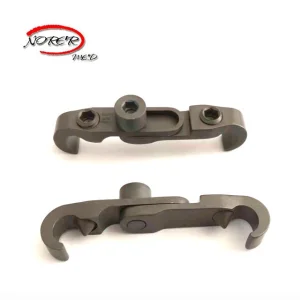
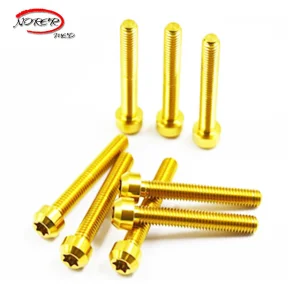
Select from our certified range of orthopedic locking screws, bone plates, and interlocking nails designed for human and veterinary applications.
 Deon Medical