Premium ISO 13485 & CE certified solutions engineered to restore structural integrity and accelerate osteointegration.
In modern orthopedic and traumatology sectors, reconstructive surgery tools are undergoing a structural shift. The transition from general-purpose surgical hardware to patient-specific, biomechanically optimized implants is propelled by advances in material science and regulatory mandates. Today, surgical implants are evaluated not just for their mechanical toughness, but for their ability to foster accelerated osteointegration, limit stress shielding, and minimize surgical complications under dynamic biological loads.
Global demand for advanced reconstructive components is growing in both human orthopedics and advanced veterinary surgery. Key sectors driving market growth include:
The selection of biomaterials dictates the clinical success of any reconstructive surgery. DEON Medical focuses on two primary materials: Titanium Alloy (Ti-6Al-4V ELI / ASTM F136) and Polyetheretherketone (PEEK). Each exhibits unique advantages for distinct load-bearing scenarios:
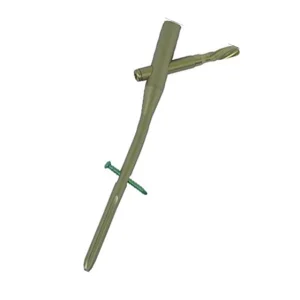
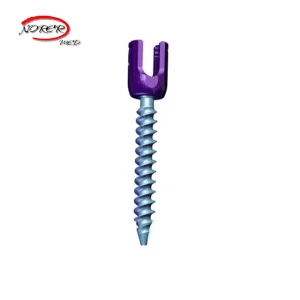
Offering superior tensile strength, exceptional corrosion resistance, and high fatigue limits. Used primarily in interlocking nails, trauma plates, and spinal pedicle screws. The Extra Low Interstitial (ELI) variant provides enhanced ductility and fracture toughness under physiologic loads.
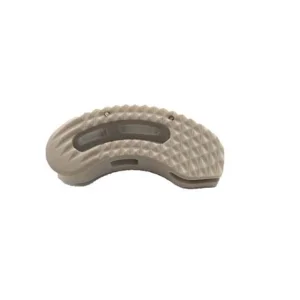
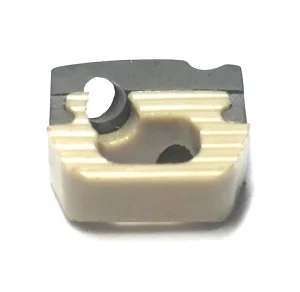
PEEK exhibits an elastic modulus (approx. 3.6 GPa) that closely matches human cortical bone. This likeness dramatically reduces the incidence of stress shielding, a common cause of bone resorption around implants. Ideal for lumbar and cervical interbody fusion cages (cages used for TLIF and ACIF surgeries).
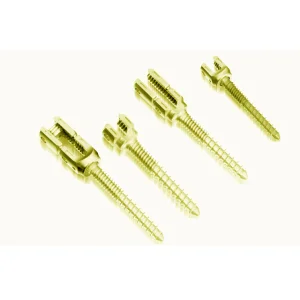
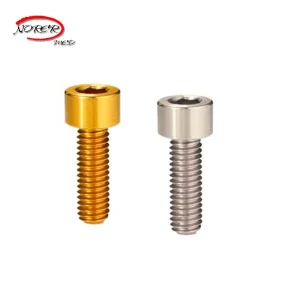
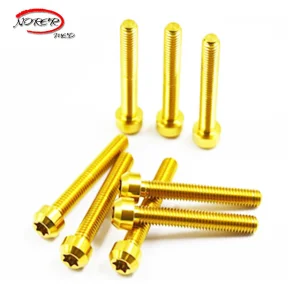
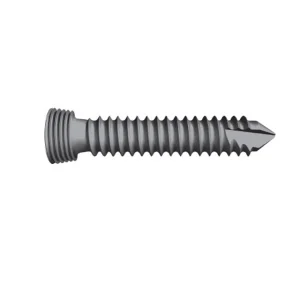
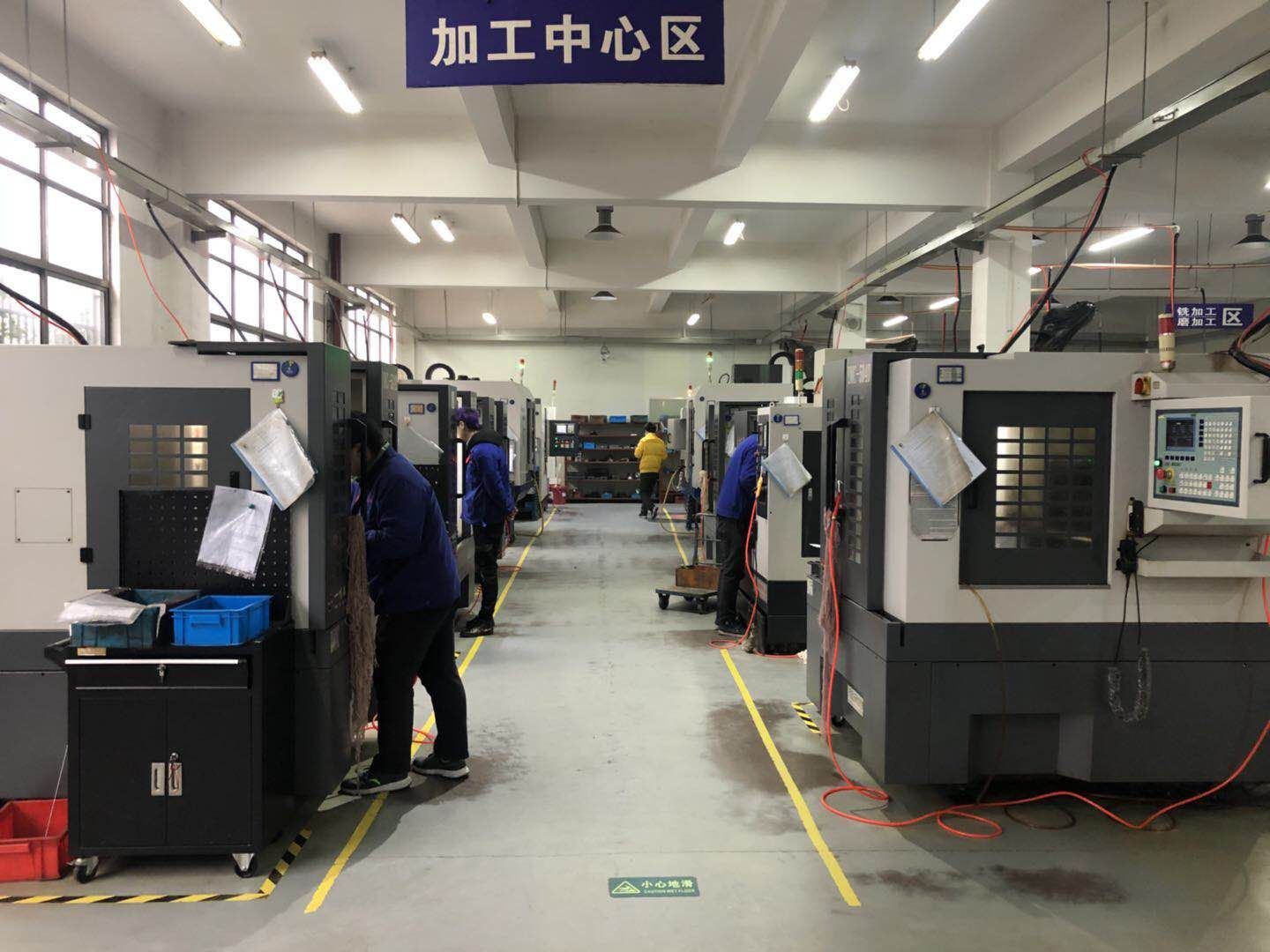
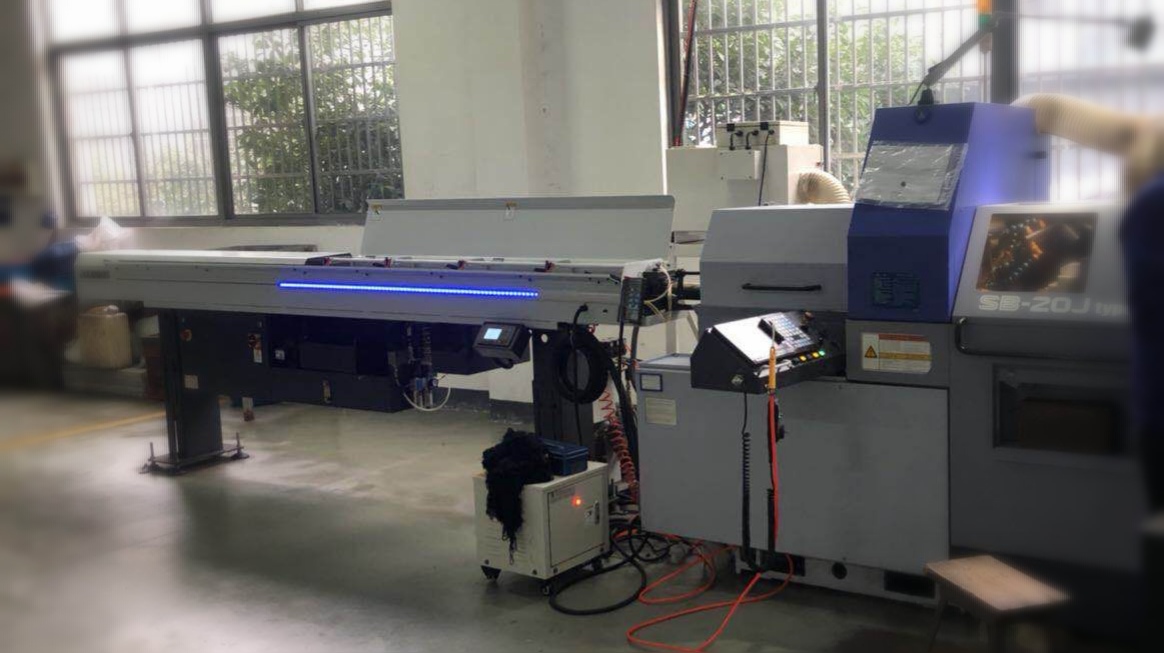
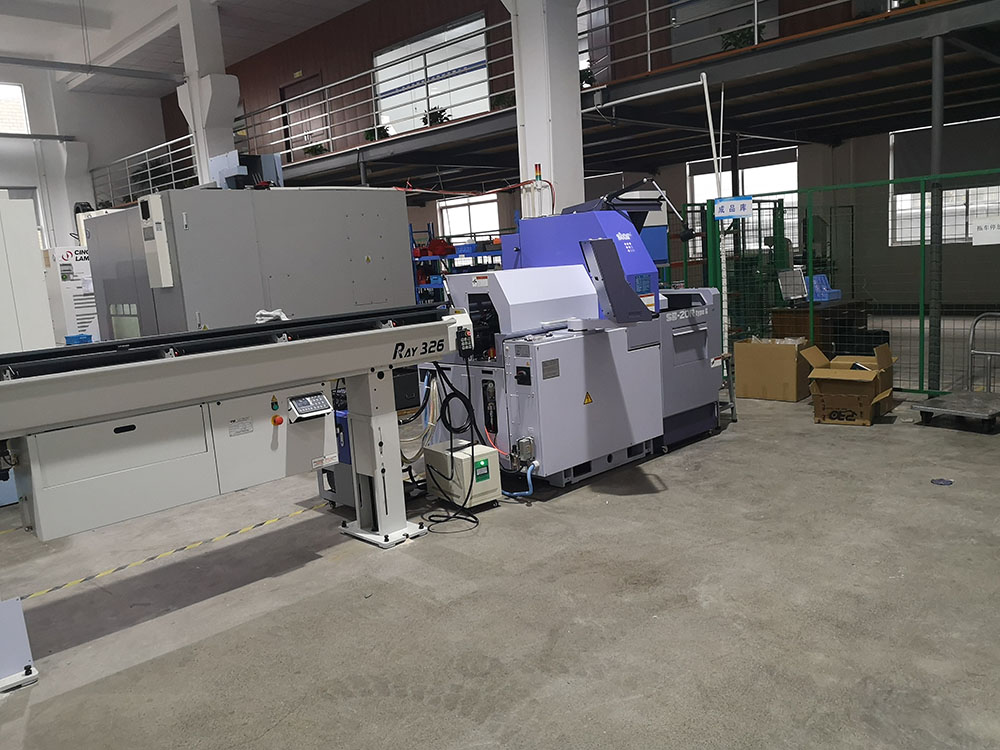
Manufacturing reconstructive surgical screws requires Swiss-type precision CNC machining, followed by specialized chemical passivation and anodization steps to enhance surface properties. Titanium locking screws and custom alloy fasteners are held to tolerances within ±5 microns, ensuring a secure interface between the bone plate and the screw head. This mechanical lock is critical for preventing construct loosening under cyclic loading, which is a primary reason for revision surgeries.
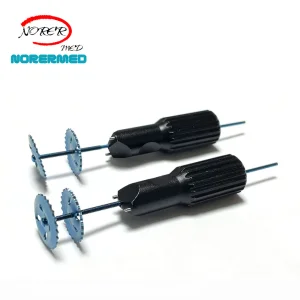
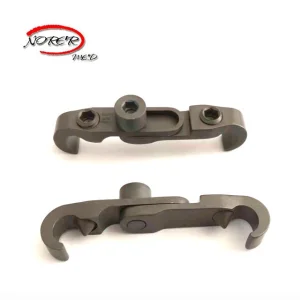
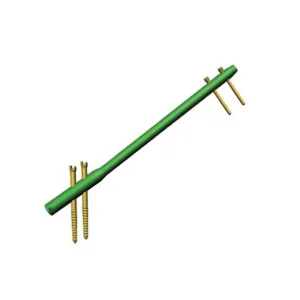
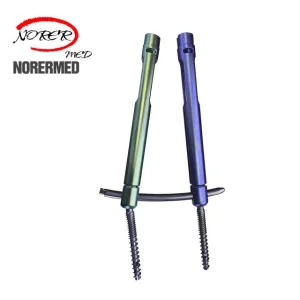
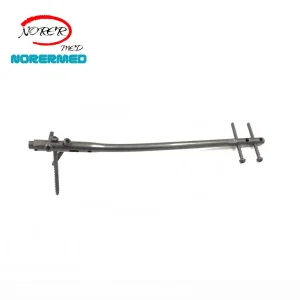
Precision-engineered orthopedic implant configurations for trauma fixation.
Founded in the medical device manufacturing cluster of Changzhou, Jiangsu, DEON Medical (Changzhou) Co., Ltd. has developed into a specialized developer and exporter of orthopedic implants and reconstructive systems.
| Company Name | DEON Medical (Changzhou) Co., Ltd. |
| Country / Region | Jiangsu, China |
| Primary Capabilities | Orthopedic Trauma bone plates, bone screws, interlocking nails, spinal pedicle screws, Cervical Plates, PEEK cervical & lumbar cages. |
| Scale & Team | 11 - 50 Professional Engineers & Machinists |
| Business Strategy | Integrated Manufacturing & Global OEM/ODM Exportation |
| Industry Standing | 10 Years Verified Exporter Status |
A notable trend in international medical sourcing is the rising convergence between human orthopedic systems and veterinary surgical devices. Small animal trauma management—specifically in feline and canine surgeries—demands implant designs that match the anatomical scale and biomechanical requirements of animals, while maintaining the identical quality standards as human medical implants.
DEON Medical supplies dual-application systems designed to meet these requirements:
DEON Medical's continuous evolution in engineering and materials, adapting to global healthcare demands over the coming decade.
Providing custom titanium locking screws and anatomical bone plates using Swiss-type CNC machines, resulting in sub-micron surface smoothness and precise thread pitches.
Implementing surface modification techniques, such as type III anodization, to optimize bone-to-implant contact (BIC) and accelerate post-operative healing times.
Integrating additive manufacturing technology with high-grade titanium powder to manufacture trabecular structures, which encourage deep cell ingrowth and custom anatomical fits.
Why hospital purchasing groups, veterinary networks, and OEM distributors choose DEON Medical for their reconstructive surgery tools.
All implants undergo strict validation protocols, ensuring traceable raw material sourcing and certified sterilization processes that comply with strict international regulatory bodies.
Using medical-grade Titanium Grade 5 ELI and implantable-grade PEEK. Our materials reduce tissue inflammation and structural degradation, minimizing the need for revision surgeries.
Offering specialized design capabilities, custom thread pitches, and surface treatments to match unique surgical techniques or localized clinical specifications.
In-depth responses to frequent questions from orthopedic surgeons, veterinary distributors, and device procurement managers.
Explore our full catalog of CE-certified implants and precision hardware designed for complex bone reconstructions.
Seeking custom dimensions, ISO 13485 certification records, or custom surgical screw machining estimates?
Submit Technical RFQ Deon Medical