Explore our premium surgical implants engineered alongside advanced local hemostatic configurations for orthopedic reconstructions.
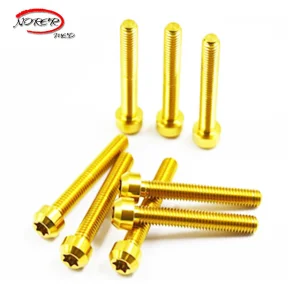
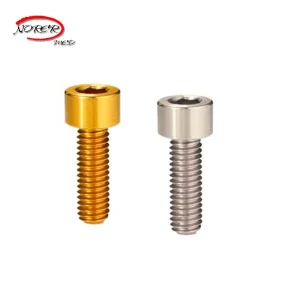
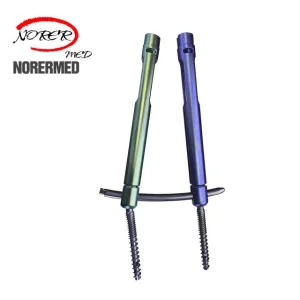
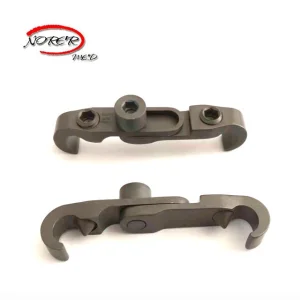
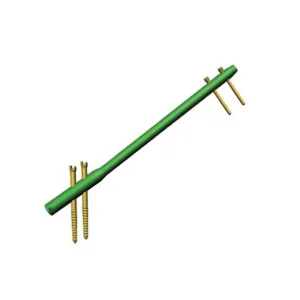
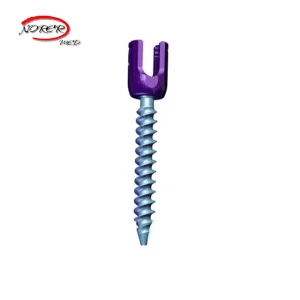
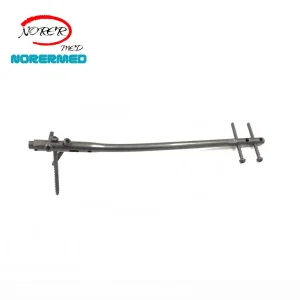
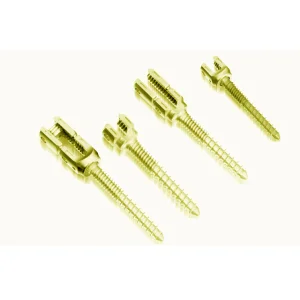
Modern surgical suites demand a multi-tiered approach to patient outcomes, combining structural support (such as orthopedic bone screws, plates, and interlocking nails) with state-of-the-art biochemical sealing and CE certified hemostatic agents. During complex orthopedic trauma and spinal reconstructive procedures, intraoperative bleeding presents a dual challenge: it obscures the visual field of the surgeon and risks hemodynamic instability.
As a premier medical hardware and surgical technology developer, DEON Medical understands the critical interfaces between osteosynthesis materials (PEEK, Titanium Grade V) and localized physiological environments. Effective hemostasis is not merely about stopping blood flow; it involves optimizing the bone-healing cascade, preventing post-operative hematomas, and minimizing surgical site infections (SSI).
Our collaborative ecosystems ensure that all hardware and accompanying hemostatic recommendations meet strict ISO 10993 cytotoxicity, sensitization, and implantation protocols.
We work directly with certified laboratories and notified bodies to guarantee technical documentation conforms to the latest European Medical Device Regulations.
The progression from passive mechanical barriers to active bioactive matrices designed for high-precision orthopedic environments.
Utilizing high-density oxidized regenerated cellulose (ORC), collagen sponges, and refined microfibrillar matrices. These agents construct a mechanical scaffold at the bleeding site, accelerating natural platelet adhesion without altering systemic coagulation mechanisms.
Integrating thrombin-based compounds and fibrin glues that actively catalyze fibrinogen polymerization. Essential for high-pressure arterial bleeds and complex cancellous bone surfaces exposed during pedicle screw insertions.
The future horizon features injectable polymer hydrogels that change state in response to body temperature or local pH, providing immediate tamponade and dissolving systematically within 7 to 14 days without inhibiting osteoblast proliferation.
| Agent Category | Primary Material Base | Absorption Profile | Surgical Compatibility | Regulatory Status |
|---|---|---|---|---|
| Bone Wax Alternatives | Water-soluble alkylene oxide polymers | Fully absorbed (2-4 weeks) | Spinal fusion, sternotomy, joint arthroplasty | CE Class III / FDA 510(k) |
| Collagen Sponges | Bovine/porcine type-I collagen | Absorbed (4-6 weeks) | Cranial skull lock, trauma reconstruction | CE Certified (MDR) |
| Active Flowables | Gelatin matrix + Thrombin solution | Absorbed (6-8 weeks) | Deep orthopedic cavity debridement | CE Class III (Highest risk) |
| Fibrin Sealants | Human/synthetic fibrinogen & thrombin | Absorbed (days to weeks) | Soft tissue attachment to spinal hardware | CE Certified / PMA Approved |
Analyzing clinical scenarios where orthopedic implant performance depends heavily on structural and hemostatic synergy.
In anterior/posterior lumbar interbody fusions (TLIF/PLIF) utilizing PEEK Cages and Titanium Pedicle Screws, bone bed preparation is essential. Excessive bleeding within the disk space can wash out osteoinductive bone grafts.
Applying a flowable gelatin-thrombin hemostatic agent immediately prior to insertion stabilizes the graft bed, controls epidural venous plexus bleeding, and provides a clear visual path for locking the PEEK cage in position.
During the introduction of femoral and tibial interlocking nails (GAMA / Expert systems), intramedullary reaming triggers high-pressure marrow cavity bleeding. Localized application of synthetic bone sealants minimizes blood loss, decreases postoperative pain, and stabilizes the surrounding cortical bone structure.
In cranial vault reconstruction utilizing Titanium Cranial Skull Locks, controlling bone flap edge bleeding is critical to prevent epidural hematomas. Micro-fibrillar collagen or oxidized cellulose strips are packed along the bone margin, ensuring a clean, dry field for the secure attachment of the locking mechanism.
Veterinary surgeries, particularly canine spinal decompression and extremity fractures, involve highly sensitive vascular networks. Using miniature titanium screws and specialized animal-safe hemostatic gelatin sponges reduces anesthetic times and improves post-surgical recovery rates in clinical veterinary setups.
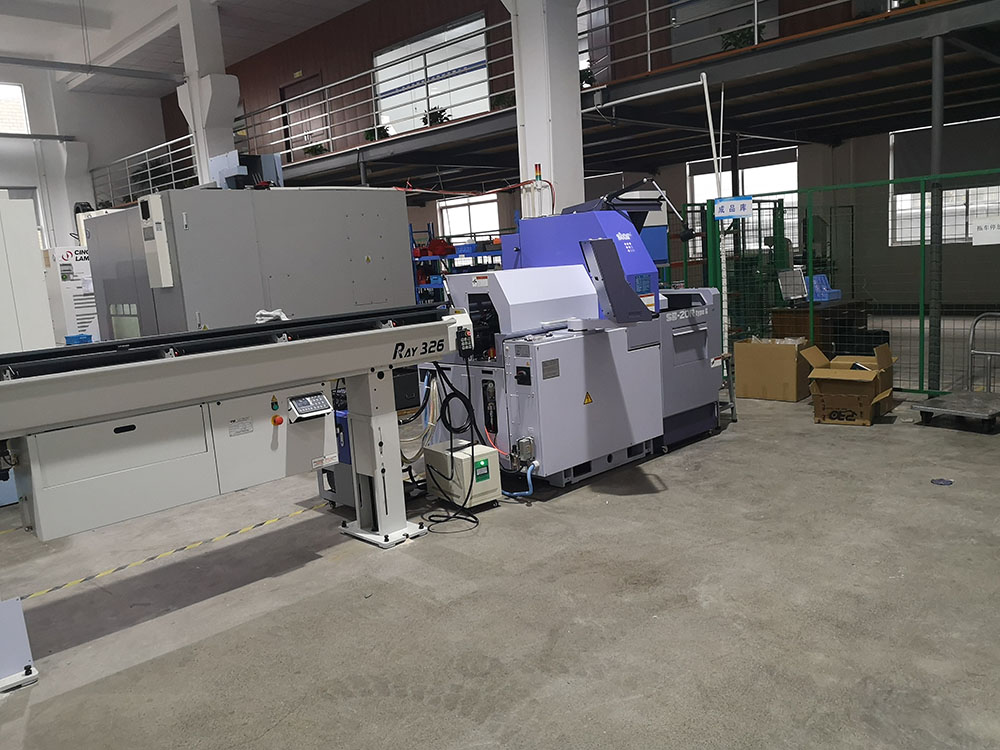
Operating from Changzhou City, Jiangsu Province, China, the epicenter of high-precision orthopedic and surgical instrument manufacturing, DEON Medical harnesses a dense, highly specialized supply chain ecosystem. This localization allows us to source raw materials, conduct CNC Swiss-type micro-machining, perform surface passivation, and execute cleanroom packaging with unmatched speed and efficiency.
Our factory processes meet stringent global standards, minimizing lead times while maintaining a robust quality control system. By optimizing material usage (Titanium Alloys, PEEK polymers) and leveraging local sterilization facilities (Gamma & ETO), we deliver medical devices that match or exceed Western performance baselines at highly competitive cost profiles.
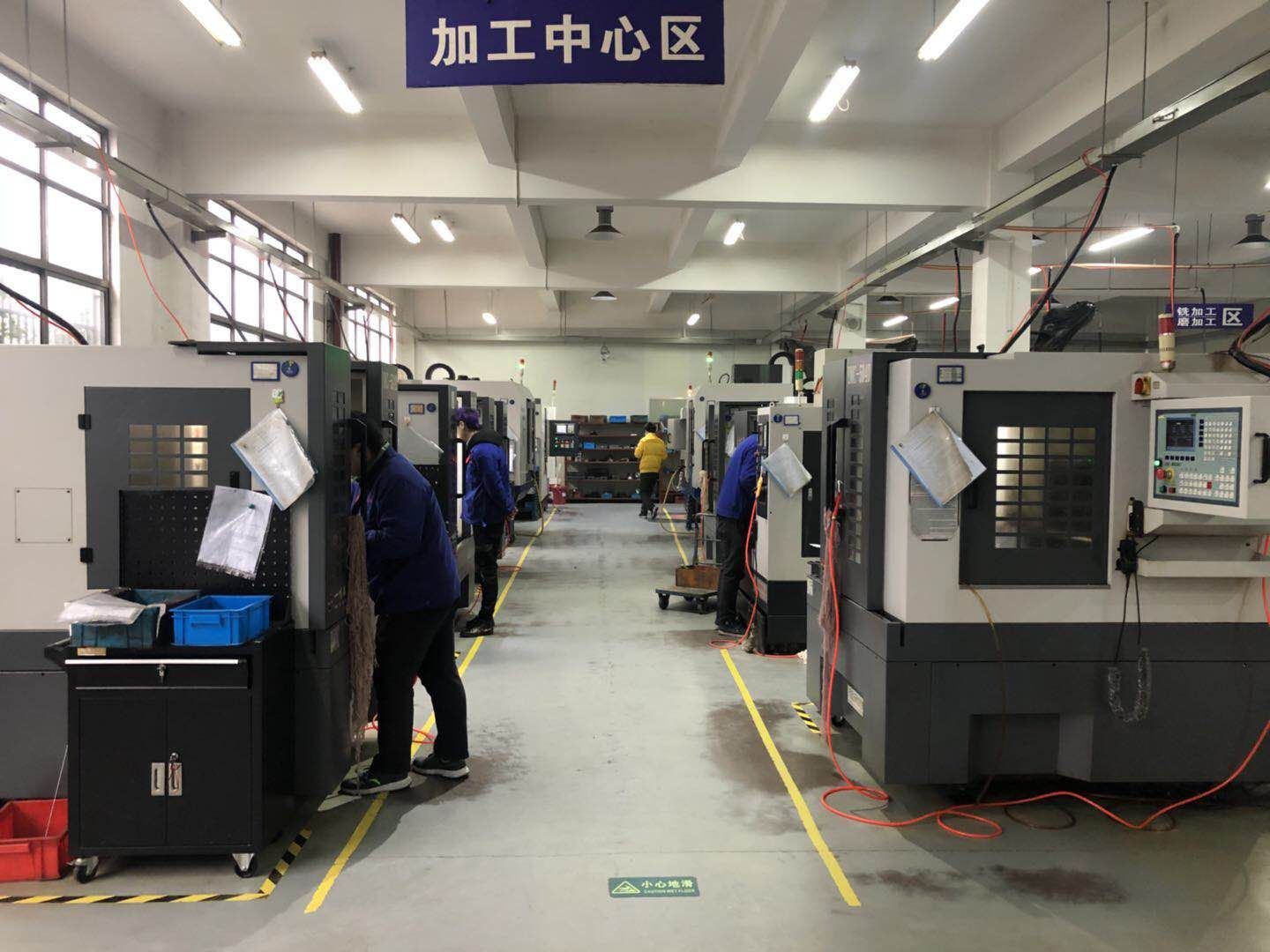
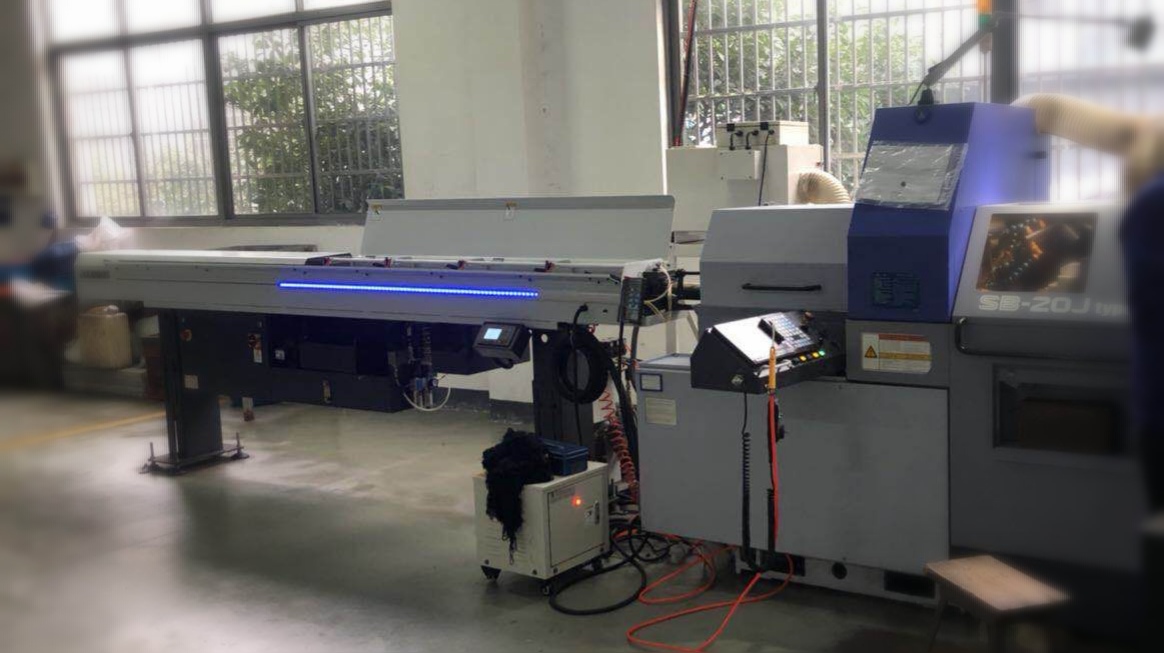
Ensuring cross-border medical standard compliance and smooth customs clearing operations for global distributors.
We work with tier-one shipping companies to handle temperature-sensitive hemostatic substances alongside solid state orthopedic hardware, avoiding custom clearance hold-ups.
Each delivery comes with full certificates of analysis (CoA), material safety data sheets (MSDS), CE conformity declarations, and batch sterilization records.
We supply dedicated technical support to localized service agencies in Europe, Latin America, and Southeast Asia to aid with national regulatory registrations.
Expert answers addressing the material science, regulatory compliance, and clinical performance of hemostatic agents and orthopedic hardware.
Select specialized medical configurations to optimize surgical efficiency and promote faster patient healing.
 Deon Medical