Explore our top range of high-precision orthopedic titanium implants, locking screws, and surgical systems built to international safety standards.
In high-acuity healthcare settings, the procurement of anesthesia delivery workstations, vaporizers, patient monitors, and specialized surgical equipment represents a critical intersection of clinical efficacy, budget efficiency, and regulatory compliance. Modern hospital administrators and B2B medical procurement agents operate under the stringent requirements of the European Union Medical Device Regulation (EU MDR 2017/745) and global equivalents. As a result, the demand for CE certified anesthesia equipment manufacturers and suppliers has reached an all-time high, driven by the absolute necessity for systems that guarantee patient safety, precise gas dosage, and seamless clinical workflows.
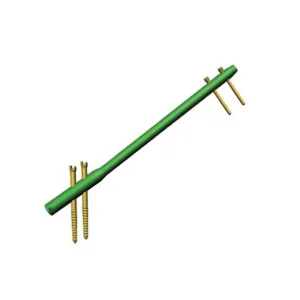
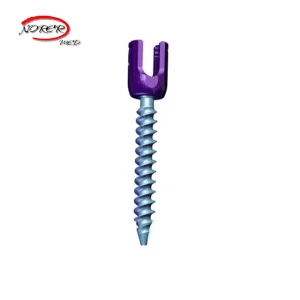
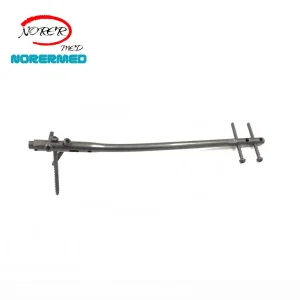
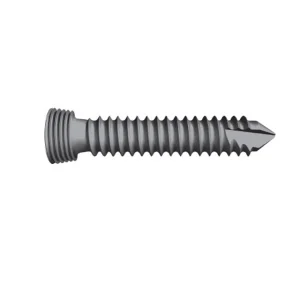
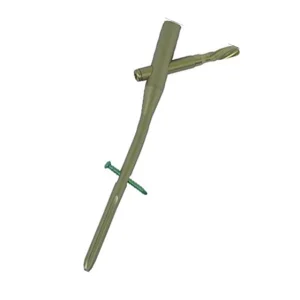
Critical orthopedic interventions, such as complex spinal fusion surgeries using advanced pedicle screws or long-bone trauma stabilization using interlocking intramedullary nails, require prolonged, stable anesthesia control. This demands that the anesthesia delivery units operate with flawless reliability. High-volume buyers prioritize medical device suppliers that exhibit deep compliance structures, comprehensive risk mitigation documentation, and robust global logistics capability.
B2B procurement programs focus heavily on the total cost of ownership (TCO). This encompasses not only the initial capital expenditure of the anesthesia workstation but also the lifetime maintenance, calibration of electronic vaporizers, consumption rate of anesthetic gases (such as sevoflurane or desflurane in low-flow circuits), and compatibility with third-party operating room monitoring networks. Selecting a supplier with verified Chinese precision manufacturing bases, like the industrial hub of Changzhou, Jiangsu, provides procurement departments with significant cost efficiencies without compromising technical integrity.
How advanced anesthesia systems and orthopedic implants coordinate to optimize patient outcomes in critical care units.
Integrating advanced anesthesia workstations with real-time patient monitors during trauma surgeries ensures stable hemodynamic parameters. This stability is critical for the successful placement of femoral interlocking nails and complex orthoses under stress conditions.
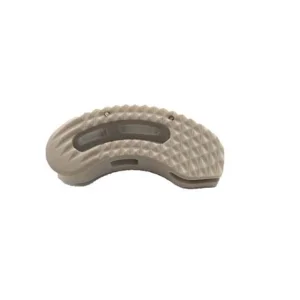
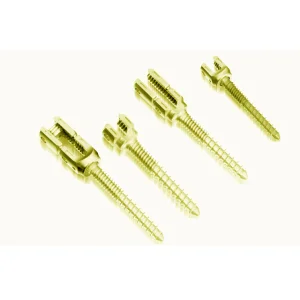
Catering to global veterinary hospitals, we offer customized surgical setups combining specialized low-volume anesthesia breathing systems with dedicated implants, such as PEEK Lumbar cages and veterinary-specific monoaxial pedicle screws.
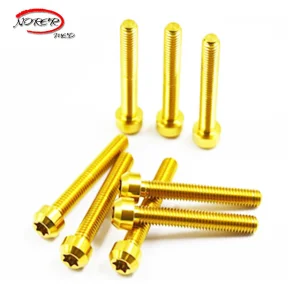
Every phase of our design, from precision titanium machining for spinal fixation screws to cleanroom packaging, undergoes audit cycles mapping to ISO 13485 and CE certifications, allowing seamless registration in EU and American jurisdictions.
The architecture of modern anesthesia equipment is undergoing a technological revolution. Industry roadmaps point toward digital integration, intelligent ventilation modes, and enhanced safety controls. High-performance anesthesia workstations now incorporate features that once belonged exclusively to ICU-grade ventilators, such as Pressure Regulated Volume Control (PRVC), Synchronized Intermittent Mandatory Ventilation (SIMV), and electronic positive end-expiratory pressure (PEEP) management.
Traditional mechanical rotameters are being phased out in favor of electronic gas mixers that deliver precise fractions of inspired oxygen ($FiO_2$) and carrier gases. Similarly, vaporizers have evolved. Modern designs feature electronic heating elements and dynamic flow/temperature compensation loops that ensure steady delivery of volatile anesthetics even at low-flow states. These advancements optimize surgical environments during long spinal or cranial reconstructive procedures, such as those employing titanium cranial lock implants.
Low-flow anesthesia (LFA) is now standard practice because it reduces agent cost and minimizes waste gas pollution in operating environments. The technological frontier includes closed-loop control systems. These systems automatically adjust gas flow rates and vaporizer settings based on target-controlled infusion (TCI) metrics or bispectral index (BIS) values, minimizing human error and reducing anesthesiologist cognitive fatigue.
Looking forward, anesthesia equipment is transitioning from passive delivery systems to intelligent clinical assistants. Artificial intelligence algorithms analyze multi-parameter telemetry data—tracking ECG, SpO2, EtCO2, tidal volume, and core temperature—to predict adverse events like hypoxemia, hypercapnia, or sudden changes in anesthesia depth before they manifest clinically.
Behind every high-performance surgical and anesthesia setup lies a complex component supply chain requiring nanometer-level precision. Anesthesia valves, gas flow blocks, regulators, and orthopedic trauma components (such as *tibial interlocking nails* and *PEEK lumbar cages*) are machined using advanced materials like medical-grade titanium (Gr5 / Ti-6Al-4V ELI) and PEEK (Polyetheretherketone).
Jiangsu province, particularly Changzhou, has emerged as a premier cluster for precision medical machining. Advanced manufacturing facilities here utilize multi-axis Swiss CNC turning centers and automated coordinate measuring machines (CMM) to produce medical hardware that satisfies international standards.
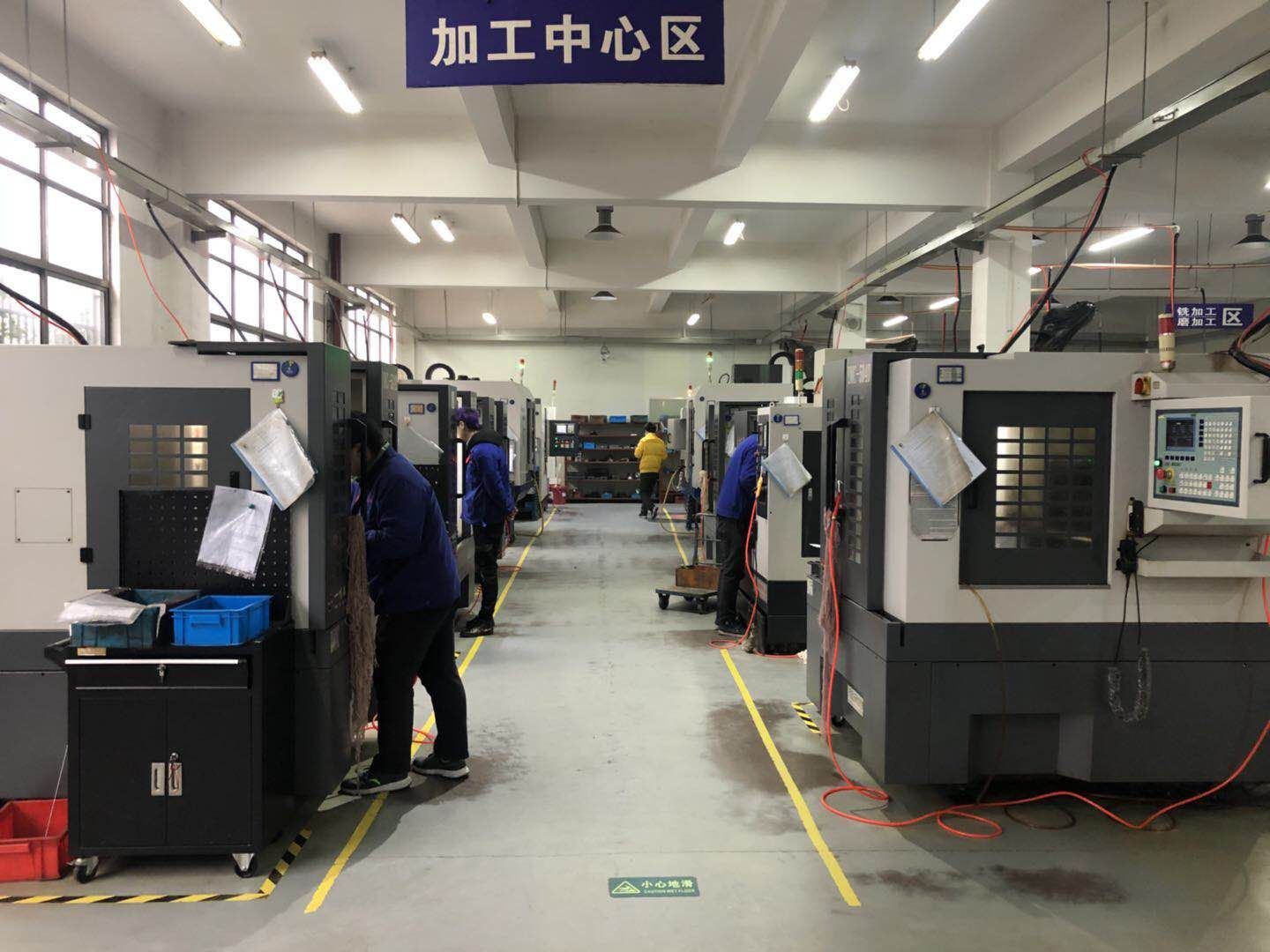
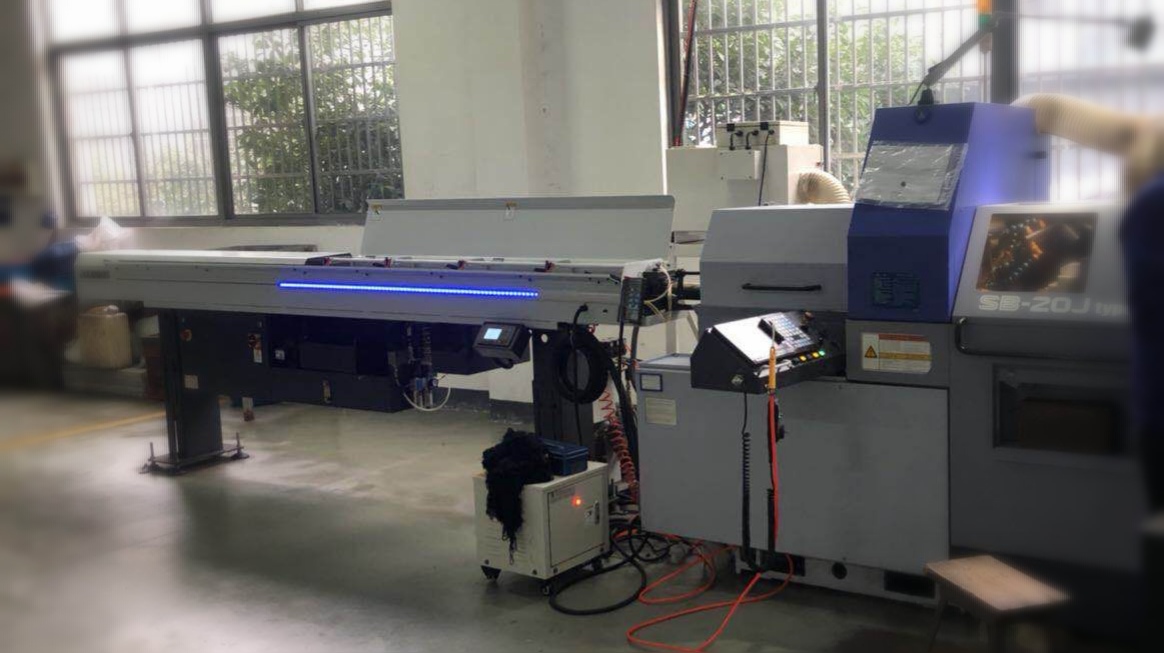
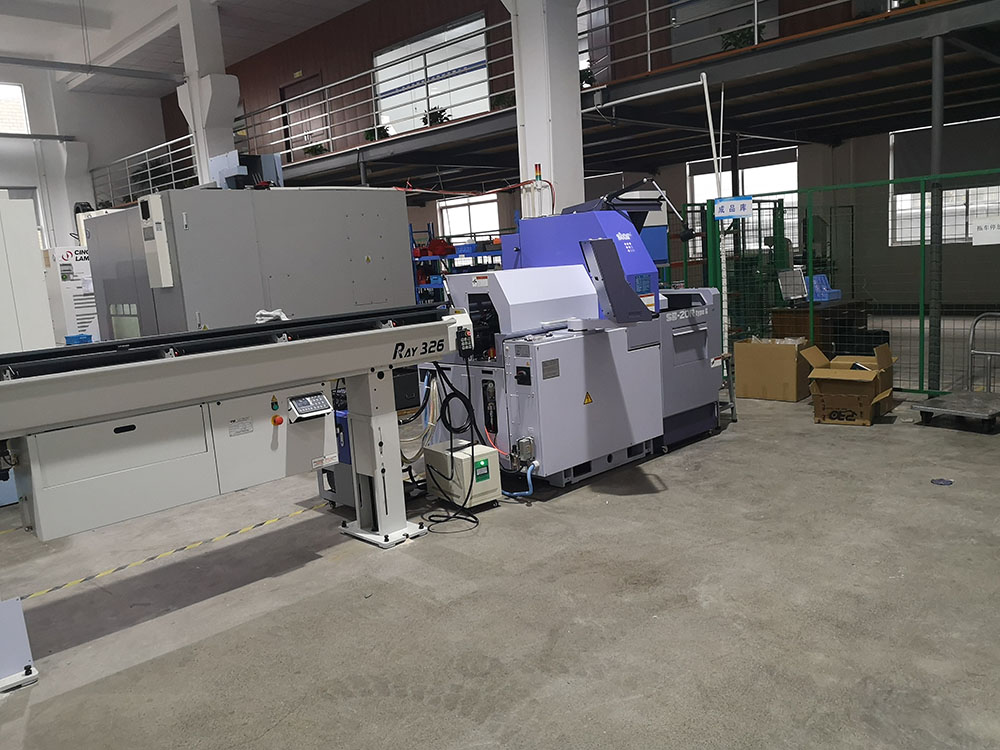
The integration of implant production with surgical suite peripherals allows manufacturers to offer complete, coordinated solutions. For instance, the biomechanical compatibility of titanium spinal implants is designed in parallel with post-operative monitoring standards, ensuring that postoperative magnetic resonance imaging (MRI) or computer tomography (CT) scans do not interfere with the patient’s clinical course.
Sustained operations within international medical markets require a combination of local technical support and comprehensive regulatory compliance. Because anesthesia machines and active surgical implants are high-risk classifications, suppliers must maintain a robust post-market surveillance (PMS) network. Local technicians and distributors must be equipped to handle calibration, prevent bio-hazardous contamination within anesthesia gas paths, and replace mechanical gas sensors regularly.
From a regulatory perspective, compliance with the CE Mark requires clear clinical evaluation reports (CER), risk analysis conforming to ISO 14971, and bi-annual safety updates (PSUR). Partnering with a manufacturer like DEON Medical, which holds a decades-long track record of quality control, ensures that global distributors are backed by technical files capable of passing the most rigorous regulatory audits.
Learn about DEON Medical's manufacturing capabilities, location, and commitment to global healthcare solutions.
Our facility operates in Changzhou, China, specializing in the precision machining, assembly, and quality verification of trauma implants, spine pedicle screws, and complex surgical equipment components.
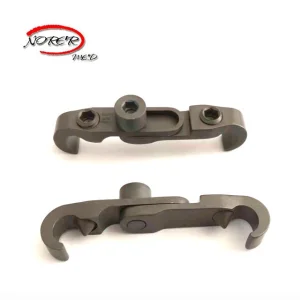
Explore our complete range of surgical accessories, cranial locks, and veterinary spinal fixation devices.
Get professional insights regarding regulatory compliance, manufacturing standards, and system compatibility.
CE Certification indicates compliance with the European Union's harmonized standards for medical devices (MDR 2017/745). For active medical devices like anesthesia machines, this certification ensures strict compliance with gas delivery safety, pressure monitoring, electrical insulation, and software risk control. This allows safe, legal use in EU hospitals and global markets that respect EU standards.
We employ a multi-layered quality assurance structure under our ISO 13485 certification. Our precision titanium machining and PEEK processing are conducted on advanced high-axis CNC turning lines, verified by coordinate measuring machines (CMM) and subjected to ultrasonic cleaning and packaging in cleanroom environments to minimize particulate count.
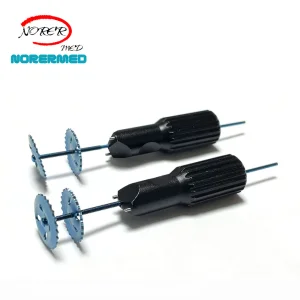
Yes. Our orthopedic titanium trauma and spinal systems—including interlocking nails and pedicle screws—are designed to meet international surgical specifications (such as AO principles). This makes them compatible with standard orthopedic drivers, targeting jigs, and insertion instrumentation worldwide.
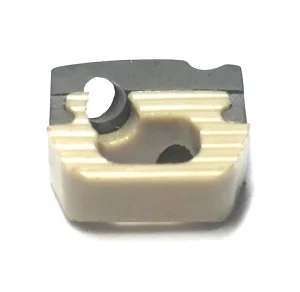
PEEK (Polyetheretherketone) is a high-performance thermoplastic that offers mechanical properties matching human and animal cortical bone. It provides excellent biocompatibility, radiolucency (which allows clear visualization under post-operative X-rays or fluoroscopy), and resistance to standard sterilization methods like autoclaving.
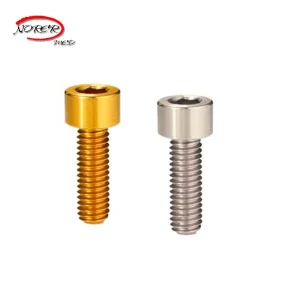
Yes. With extensive machining experience in Changzhou, we support custom alloy screw machining and tailored trauma implant production based on detailed CAD files, engineering blueprints, or raw client material specifications.
 Deon Medical